Best Vagus Nerve Stimulator 2026: Pulsetto, Nuropod, Apollo
· BiohackList Editorial
There is no single best vagus nerve stimulator. The right one depends on your budget and on how much fuss you'll put up with, gel included. Nuropod has the most device-specific research, but it costs $900 and wants long daily sessions. Pulsetto is the cheapest way to try electrical stimulation, though its own data is uncontrolled. Apollo Neuro isn't an electrical nerve stimulator at all. It's a vibration wearable, and it won't run without a paid membership.
None of them is FDA-cleared for stress, anxiety or sleep, and Pulsetto, Nuropod and Truvaga are not FDA-cleared at all. If you try one, treat it as a 30-day experiment and make your call before the return window closes.
Quick picks (prices checked Oct 2, 2026):
- If you want the most device-specific research and don't mind 15 to 60 minute sessions: Nuropod (the same technology is sold as Nurosym in the UK and EU, but Nurosym doesn't ship to the US). No gel, no app, no subscription. $900, before promotions that can change (see below).
- If you want the cheapest way to try electrical stimulation and can live with gel and an app: Pulsetto FIT ($269) or Pulsetto Lite ($242). The newer FIT X is $314 on pre-order. Sessions run 4 to 10 minutes.
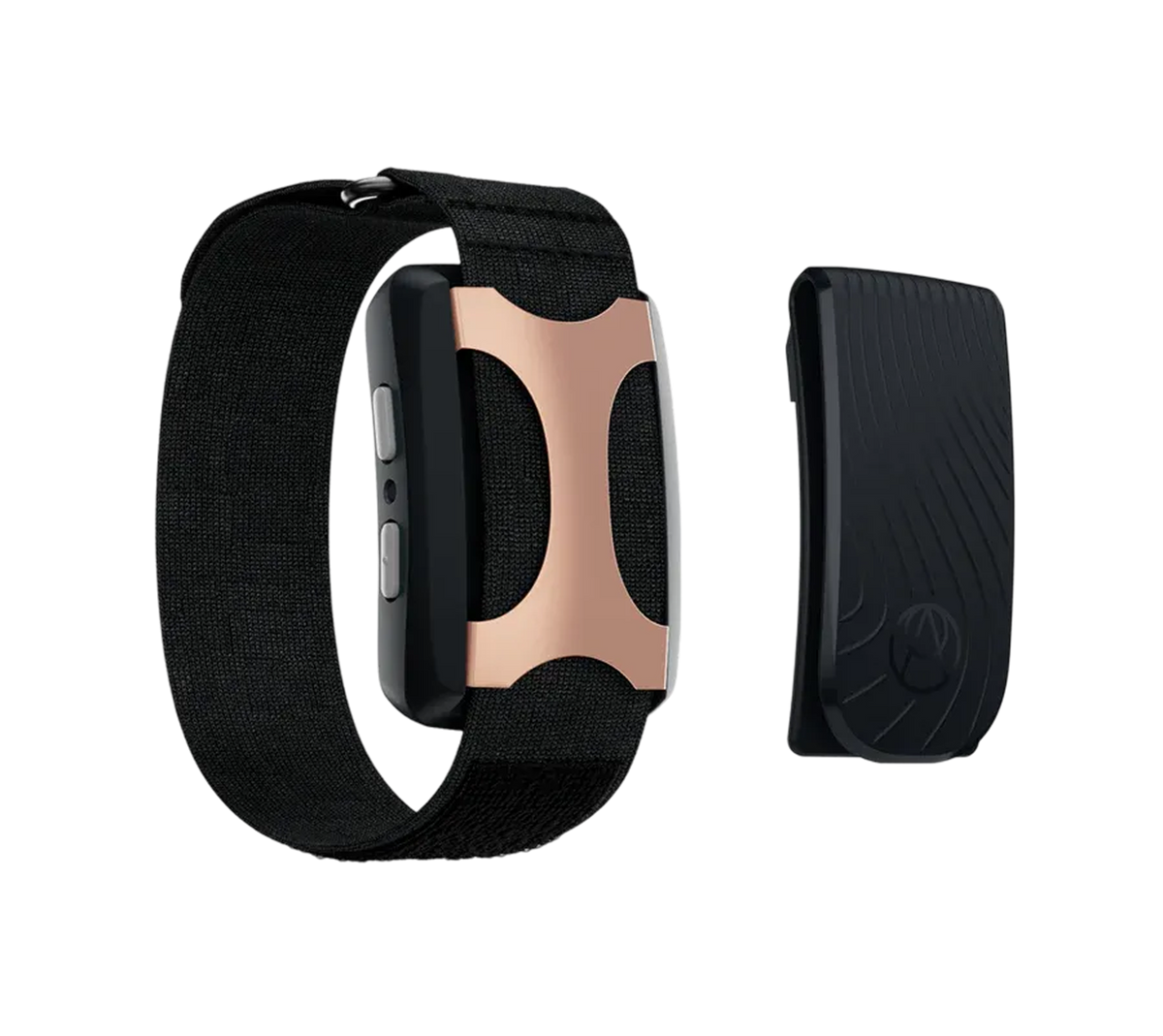
- If you'd rather not put electrical current on your body and want something to wear all day or overnight: Apollo Neuro. $448 including the first year of a required membership.
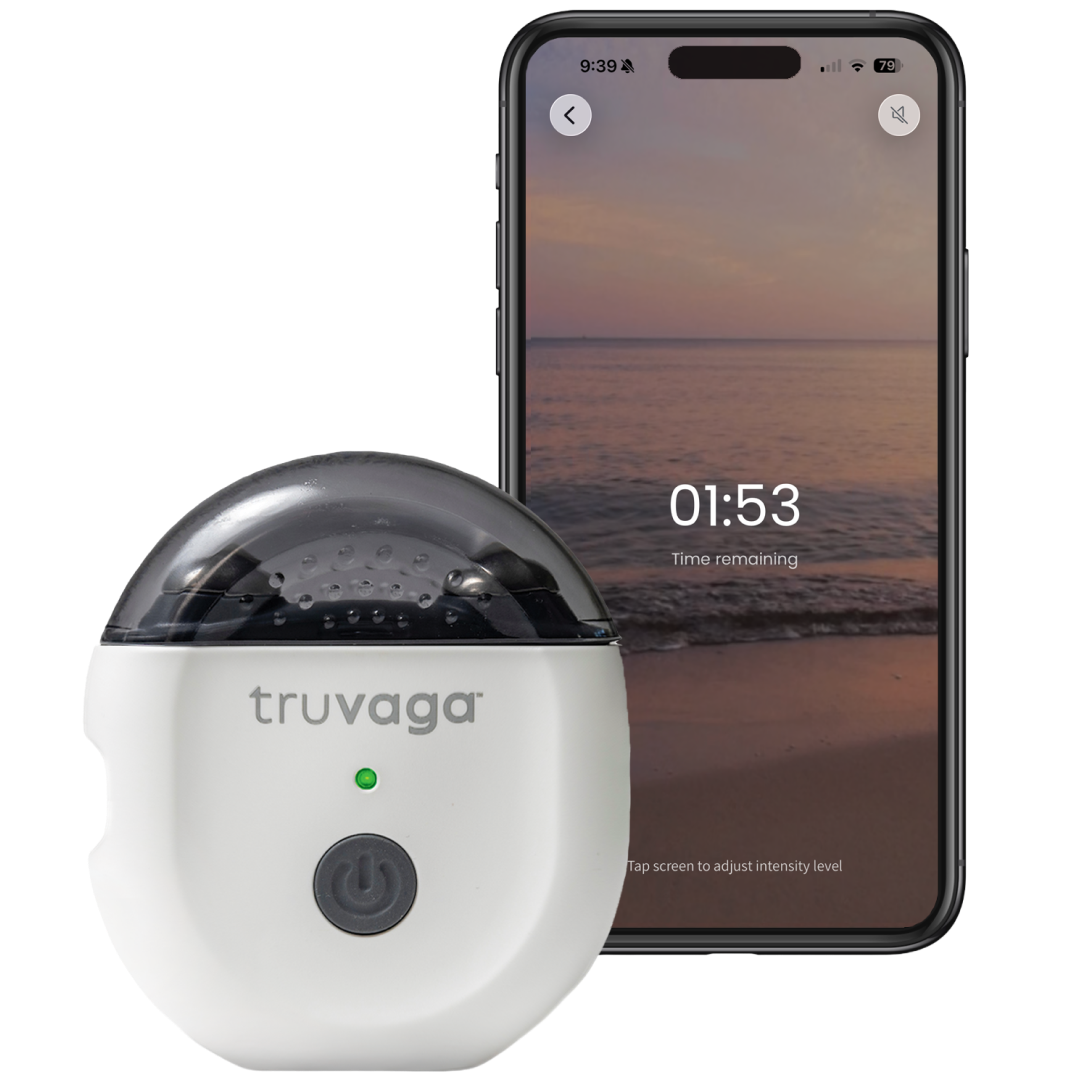
- If you want very short sessions and no subscription: Truvaga Plus, a handheld neck device. $499, 2-minute sessions.
- If you want a 10-minute wind-down ritual with sound and the longest return window: Sensate 2. $299, 90-day money-back guarantee.
- If you want to spend nothing: start with slow breathing (covered below).
The short answer: do consumer vagus nerve stimulators work?
They may help some people relax. The evidence is early and mostly small, though, and much of it wasn't gathered on the exact device you'd buy. Electrical stimulation through the ear has the deepest research behind it. Vibration devices like Apollo Neuro take a different route; Apollo says its wearable works through touch.
The most encouraging result is a 2026 meta-analysis of ear stimulation in people with sleep disorders. It found improved sleep quality and shorter time to fall asleep, and the authors themselves call the findings preliminary.
The most sobering one concerns heart rate variability (HRV). A meta-analysis of 16 sham-controlled studies in healthy people found that a single session of ear stimulation does not change vagally mediated HRV compared with sham. Several brands sell on HRV, so keep that in mind when you read their pages.
Most of these devices are sold as general wellness products, a category the FDA lays out in its General Wellness guidance. Wellness status doesn't mean the FDA has looked at whether a device works.
The honest answer, then, is "maybe, for some people, modestly." If you buy one, put the return date in your calendar the day it ships.
Consumer VNS vs implanted VNS (they're not the same thing)
When doctors say "vagus nerve stimulator," they usually mean an implant, a pulse generator placed under the skin of the chest and wired to the left vagus nerve. Consumer gadgets belong to a different category entirely.
Implanted VNS was first approved by the FDA in 1997 for drug-resistant epilepsy, and later for treatment-resistant depression and post-stroke rehabilitation. According to Mayo Clinic, the depression approval covers adults who haven't improved after four or more medicines, electroconvulsive therapy or both.
Whether someone is a candidate for an implanted vagus nerve stimulator gets decided with a neurologist or psychiatrist, usually after other treatments haven't worked. If that describes you, stop reading here and talk to your specialist.
One non-invasive device, gammaCore, is FDA-cleared. It's prescription-only, though, and the clearance covers headache indications such as migraine and cluster headache, not stress or sleep.
The three types: ear, neck, and vibration
It's easiest to sort these devices by how they reach you. Two groups use electrical current, one through the ear and one through the neck. The third uses vibration.
Ear (transcutaneous auricular VNS, or taVNS): Nuropod
Ear devices pass a small current through the skin of the outer ear, usually at the tragus (the small flap in front of the ear canal). The auricular branch of the vagus nerve supplies that area. Most published non-invasive VNS research has used this approach.
Neck (transcutaneous cervical VNS): Pulsetto and Truvaga
Neck devices stimulate through the skin over the cervical vagus nerve, roughly where you'd feel your pulse. Pulsetto is a band that covers both sides at once. Truvaga Plus is handheld and does one side at a time.
There's some evidence for the neck. In one 2026 study, bilateral neck stimulation lowered systolic blood pressure and raised alpha-wave EEG activity, while ear stimulation did not.
That's thin support, so don't read too much into it. It was a single session with about nine people per group, and the control was no stimulation rather than a sham. It doesn't show that neck beats ear for stress or sleep over weeks.
Vibration and sound (not electrical): Apollo Neuro and Sensate
Neither of these sends current into your body. Apollo plays vibration patterns on your wrist, ankle or clothing and says it works through your sense of touch. Sensate is a pad that sits on your breastbone and pairs low-frequency vibration with soundscapes from its app. Both are best judged as relaxation tools.
Comparison table
US prices on official stores, checked Oct 2, 2026 (PT); Sensate 2 rechecked on its US store Oct 3. Pulsetto and Nuropod run promotions often, so check the current price before you buy.
| Device | Price (US, checked Oct 2, 2026) | Form factor | Stimulation type | Session length (brand guidance) | Gel / consumables | App required? | Subscription | FDA status | Device-specific evidence | Return policy | Warranty | HSA/FSA |
|---|---|---|---|---|---|---|---|---|---|---|---|---|
| Pulsetto FIT (Lite and FIT X also sold) | FIT $269; Lite $242 (sale prices); FIT X $314 (pre-order) | Neck band | Electrical, both sides of neck | 4 min (Stress, Focus, Release); 10 min (Sleep) | Gel every session; one 60 g tube in box | Yes | Optional Premium, $139/yr | Not FDA-cleared; Pulsetto calls it a general wellness product | Own pilot (n=40), no placebo; one small acute lab study | 30 days from receipt, original packaging | 2 years | Via Truemed, if eligible |
| Nuropod (sold as Nurosym in the UK and EU) | $900; promotions when we checked: 10% off for an online assessment (ends Oct 15) and a $100 study offer | Ear clip on tragus, wired | Electrical, ear (taVNS) | 15 to 60 min/day | No gel; replacement earpiece $50 | No | None | Not FDA-cleared; cites an FDA "Non-Significant Risk" study designation, which isn't clearance | Used in a sham-controlled RCT (in POTS) | Full refund up to 37 days after order date | Up to 2 years | Via Truemed, if eligible |
| Apollo Neuro | $448 incl. 1-year SmartVibes AI membership | Wrist, ankle or clip-on wearable | Vibration (not electrical) | At least 3 h/day, 5 days/week | None | App plus membership | Required; renewal price not listed (Apollo values a year at $99) | Consumer wellness device; not FDA approved | Pilot RCT vs waitlist (n=66); uncontrolled pilot (n=25) | 30 days from delivery, minus shipping and a $10 fee; RMA required | 1 year | Via Truemed, if eligible |
| Truvaga Plus | $499 | Handheld, held to neck | Electrical, one side of neck | 2 min; brand suggests twice daily | Electrode spray (one bottle included, about 2 months) | Yes (free, US only) | None | Not FDA-cleared; Truvaga calls it a general wellness product not evaluated by the FDA | No published controlled trial of the device found | 30-day money-back | Limited out-of-box warranty | Via Truemed, if eligible |
| Sensate 2 | $299 (US store; free standard shipping) | Chest pad | Infrasonic vibration plus app audio | As little as 10 min | None | Yes (free) | Optional Sensate Plus, $49.99/yr | No FDA clearance claimed on pages we checked | Company pilot data only; no peer-reviewed controlled trial found | 90-day money-back; return shipping usually at your cost | Not verified | Via Truemed, if eligible |
Device by device
Pulsetto FIT (and Lite)
Pulsetto is a U-shaped band worn around the neck that stimulates both sides of the cervical vagus nerve. The FIT has padding for smaller necks and a longer battery, and Pulsetto suggests the cheaper Lite for larger necks. There's also a newer FIT X, which was on pre-order for $314 when we checked: Pulsetto charges you at order and ships on launch day. Pulsetto says it adds adaptive stimulation and contact sensing, with a battery that lasts up to 12 days versus 10 for the FIT.
How you use it. Apply gel, put the band on and start one of five free programs in the app. Stress, Focus and Release each run 4 minutes, and Sleep runs 10.
What it really costs. The FIT was $269 and the Lite $242, both marked as sale prices. The FIT X pre-order was $314. Gel is an ongoing cost. One 60 g tube comes in the box, and Pulsetto says a tube lasts up to a month. Its Gel Box was $45 for four tubes every three months. Premium is optional at $139 a year, and Wareable's testers found the app pushed the upgrade frequently.
Evidence. Pulsetto's own product page labels its results "exploratory pilot data (n=40), no placebo control." The only peer-reviewed study we found that names the device is the 2026 lab study mentioned above. Pulsetto supplied two devices free, and the authors report no financial interest in the company. That study also found neck stimulation reduced several HRV measures during the session, which doesn't sit well with "raises your HRV" marketing.
Who it suits. Someone who wants electrical stimulation for the lowest upfront cost. If gel or an app is going to keep you from using it daily, or you have an electronic implant, skip it.
Nuropod (sold as Nurosym in the UK and EU)
Nuropod is an ear-clip stimulator made by Parasym, with a wired earpiece on the tragus connected to a small controller. Nurosym is the same Parasym technology sold under another name in other markets. Parasym says Nuropod is for the US, Canada, Australia and New Zealand, and Nurosym is for the UK, the EU and the rest of the world. Nurosym is €700 and described as CE-certified, but its store lists the US as not available and didn't offer US shipping when we checked. If you're in the US, Nuropod is the version you can buy.
How you use it. Clip it on and turn it up until you feel a comfortable tingle. There's no gel and no app. Nuropod's guidance is 15 to 60 minutes a day, and you can work while it's on.
What it really costs. $900 at regular price. When we checked, Nuropod was running two promotions: 10% off for completing an online vagus nerve assessment (marked as ending Oct 15) and $100 off for taking part in a short research study. The page didn't say whether the two can be combined, and promotions like these change, so check at checkout. There's no subscription, and a replacement earpiece is $50.
Evidence. Nuropod has the strongest device-specific evidence in this group, though it's still limited. A double-blind, sham-controlled trial in postural tachycardia syndrome (POTS) used a Parasym device on the tragus for 1 hour a day for 2 months. The active group (12 people) had a smaller heart rate jump on standing than the sham group (14). The trial was NIH-funded with no reported conflicts. It was also small and run in one specific condition, so it doesn't show benefits for stress or sleep in healthy people. The "60+ completed studies" figure Parasym uses is the company's own count across its technology.
Who it suits. Someone who puts evidence first and doesn't want gel, an app or a subscription. Skip it if $900 upfront is a stretch, or if you won't wear a wire on your ear every day. Wareable's testers also found the clip needed frequent readjusting on smaller tragi.
Apollo Neuro (BiohackList listing)
Apollo Neuro is a vibration wearable you put on your wrist, ankle or clothing. It plays patterns Apollo calls Vibes, aimed at sleep, calm, focus and recovery. It doesn't use current, and it doesn't track biometrics.
How you use it. Apollo recommends wearing it at least 3 hours a day, 5 days a week, day and night. The product page claims sleep can improve in as little as 21 days if you wear it to bed every night, while the FAQ says consistent changes can take up to 30 days.
What it really costs. The bundle is $448 and includes a one-year SmartVibes AI membership, which Apollo values at $99. You can't opt out of the membership. Apollo's FAQ says "Apollo wearables require a SmartVibes membership for use." We couldn't find the renewal price on the pages we checked, though a 2023 Apollo page listed SmartVibes at $99.99 a year. Confirm it before you buy.
Returns need an authorization and like-new condition. Apollo keeps the shipping cost plus a $10 handling fee.
Evidence. A pilot randomized trial in 66 medical and pharmacy students found better burnout and wellbeing scores after 12 weeks, but the comparison group was a waitlist, not a placebo. A 4-week pilot in 25 people with systemic sclerosis reported less fatigue and fewer Raynaud attacks, with no control group at all. We've left out the sleep and HRV percentages on Apollo's product page because we couldn't match each one to a published study.
Who it suits. Someone who wants a passive tool for stress and wind-down routines and would rather not have current on their skin. If a required subscription bothers you, look elsewhere.
Also worth knowing: Truvaga Plus
Truvaga Plus is a handheld neck stimulator from electroCore, the company that makes gammaCore. You spray electrode solution on your neck and run a 2-minute session from the free app, which you can't skip. It was $499 and has no subscription. Truvaga calls its devices general wellness products that haven't been evaluated by the FDA and aren't covered by health insurance, so Truvaga Plus is not FDA-cleared. The "94% felt happier and calmer" figure comes from a 30-day consumer test of 34 people with no control group, and we didn't find a published controlled trial of Truvaga itself.
Also worth knowing: Sensate 2
Sensate 2 is a palm-sized pad that rests on your breastbone while the app plays soundscapes synced to low-frequency vibration. It was $299 on Sensate's US store, with free standard US shipping. The optional Sensate Plus content library is $49.99 a year, or $348 for a Plus Pack with the device and a year of Plus. Its headline sleep and stress numbers come from its own pilot data. In its favor, the 90-day return window is the longest of the bunch, though return shipping is usually at your cost.
Prescription reference point: gammaCore. gammaCore is an FDA-cleared, prescription-only non-invasive vagus nerve stimulator used on the neck for specific headache indications. We've included it for context only. It isn't a wellness gadget, and it isn't a BiohackList listing.
Pulsetto vs Nuropod: which should you pick?
Pulsetto vs Nuropod mostly comes down to cost on one side and evidence and convenience on the other. Pulsetto is cheaper and quicker but needs gel and an app. Nuropod costs about three times as much and takes longer, but the research behind it is stronger.
- Budget. Under $300 today, go with Pulsetto. If you'd rather pay $900 once and avoid recurring costs, Nuropod.
- Session time. Pulsetto takes 4 to 10 minutes. Nuropod suggests 15 to 60 minutes, though you can work while wearing it.
- Gel tolerance. Pulsetto needs gel every session, and Wareable's testers found it kept getting in their hair. Nuropod needs none.
- Ear size. If you have a small tragus, Nuropod's clip may need frequent readjusting.
- App or no app. Pulsetto runs from your phone. Nuropod has no app.
- Evidence priority. If you want sham-controlled research on the device you're actually buying, Nuropod has it. Pulsetto doesn't, at least not yet.
Two-year cost, using prices checked Oct 2, 2026:
| Upfront | Required ongoing | Optional | Two-year estimate | |
|---|---|---|---|---|
| Pulsetto FIT | $269 | Gel: about $180 to $270 (16 to 24 tubes at up to a month each, bought as $45 four-tube Gel Boxes; the every-three-months plan would come to $360) | Premium $139/yr | $449 to $539, or about $727 to $817 with Premium both years |
| Pulsetto Lite | $242 | Same gel cost | Same | $422 to $512 without Premium |
| Pulsetto FIT X | $314 (pre-order) | Same gel cost | Same | $494 to $584 without Premium, or about $772 to $862 with Premium both years |
| Nuropod | $900 ($810 with the 10% assessment offer or $800 with the $100 study offer, when we checked) | None | Replacement earpiece $50 if needed | $800 to $900 (we couldn't confirm whether the offers combine) |
| Apollo Neuro | $448 (includes year 1) | Membership renewal; price not listed | None | About $547 if renewal is about $99 |
| Truvaga Plus | $499 | Electrode spray refills (check current price) | None | $499 plus spray |
| Sensate 2 | $299 | None | Sensate Plus $49.99/yr | $299 to $399 |
The Pulsetto gel range is based on Pulsetto's estimate that four tubes last four to six months. As for cheaper gel, Pulsetto's US gel page says any conductive electrode gel works, but its European page says to use only Pulsetto gel to avoid skin irritation. Ask Pulsetto before you switch.
What the research actually shows
Here's the evidence in tiers, strongest first.
Fairly solid: ear stimulation is generally well tolerated in studies. A systematic review of 51 studies and 1,322 people found the most common side effects were skin irritation (18.2%), headache (3.6%) and nasopharyngitis (1.7%). About 2.6% dropped out because of side effects. Bear in mind these were screened research participants.
Promising but preliminary: sleep. The 2026 meta-analysis of 14 randomized trials in people with sleep disorders found improved sleep quality (SMD -0.57). The authors say larger, better-designed trials are needed. The trials also used research protocols, which aren't necessarily what a consumer device delivers.
Mixed: HRV. In healthy people, single sessions of ear stimulation don't alter vagally mediated HRV versus sham. HRV measures fell during neck stimulation in the Pulsetto lab study. The POTS trial did find better HRV in the active group after two months, but that was a patient group. For now, treat brand HRV promises as a hypothesis.
Tiny and acute: cortisol. A crossover study of 12 healthy adults found lower salivary cortisol during a stress test with ear stimulation than with sham. That's one session in a small group. It isn't evidence that a device lowers cortisol day to day.
Weakest: company data. Uncontrolled pilots and "8 out of 10 users" surveys can't show that a device beats a placebo.
Third-party reviews disagree. VagusLab scores Pulsetto 9.0 out of 10 and names it best overall, while Science in Health scores it 3.6 and doesn't recommend it. At least one ranking page says Apollo works without a membership, which contradicts Apollo's own FAQ. That's why we stuck to official pages and peer-reviewed studies.
Who shouldn't use a vagus nerve stimulator
If any of these apply, get a clinician's go-ahead first.
- Pacemaker, defibrillator, cochlear implant or other implanted electronics. Pulsetto says it isn't recommended for people with active implants unless they've consulted a provider. Parasym lists active implants as a contraindication for Nurosym unless a health professional is supervising. gammaCore's labeling lists active implantable medical devices as a contraindication.
- Pregnancy. Parasym says pregnant women haven't been evaluated in its studies, and it doesn't recommend use.
- Epilepsy, heart rhythm problems, very low resting heart rate or significant heart disease. Among its cautions, Parasym lists severe low resting heart rate, severe coronary disease and a recent heart attack.
- Under 18. Wareable says neither Pulsetto nor Nurosym can be used by children, and Parasym lists children as a contraindication unless supervised. Pulsetto's site, on the other hand, says the FIT fits "even a teen at home." Ask a pediatrician.
- Treatment for depression or anxiety. A wellness device isn't a substitute for treatment. Don't change your medication or therapy because of one.
Vibration devices are different, but that doesn't make them risk-free. Apollo and Sensate don't deliver current. Apollo does contain magnets, though, and says to keep it more than 15 cm (6 in) from medical devices. If you have an implant or a medical condition, check with your clinician anyway.
How to test one without wasting money
- Set a baseline. For one or two weeks before the device arrives, log your sleep, morning HRV and a daily 1 to 10 stress rating. If you track HRV and sleep on a wearable you already own, such as Oura Ring 4 or WHOOP 5.0, use its numbers.
- Use it daily as the brand instructs. Pulsetto: 4 to 10 minutes. Nuropod: 15 to 60 minutes. Apollo: at least 3 hours, overnight included. Truvaga: 2 minutes, twice daily. Don't go past the instructions.
- Change nothing else. No new supplements, sleep routines or training plans that month.
- Compare weekly averages, not single nights.
- Decide before the window closes. Nuropod's 37 days count from the order date. Pulsetto and Apollo give you 30 days from delivery, Truvaga offers 30 days, and Sensate gives 90.
If nothing has changed by week four, send it back.
If you want to add a cortisol check to your experiment, see our guide to testing cortisol at home.
Can I stimulate my own vagus nerve?
Not electrically, at least not without a device. You can still influence the same rest-and-digest system for free, though. Slow breathing has the best evidence. A 2022 meta-analysis of 223 studies found it increased vagally mediated HRV during practice, right after a session, and after multi-session programs.
A simple version is breathing in for about 4 seconds and out for about 6, for a few minutes. Some people also try humming or splashing cold water on their face. The evidence for those as stress tools is thinner, and if you have a heart condition, ask your clinician before trying cold-water exposure.
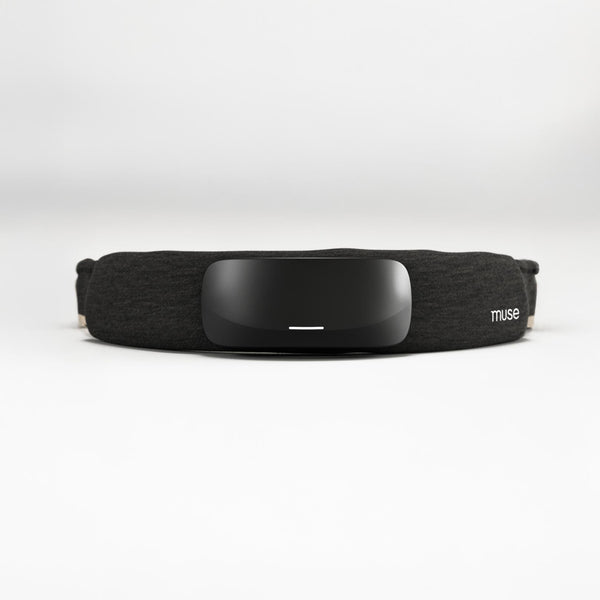
If you want feedback while you practice, a neurofeedback headband like Muse S Athena is an adjacent option, though it isn't a stimulator. Give the free route two weeks before you spend $240 to $900.
How we researched this
We relied on official manufacturer pages and help centers, checked Oct 2, 2026 (PT), plus peer-reviewed studies checked against their abstracts or full text. Hands-on observations are credited to Wareable. We didn't test any device, and we accepted no free products. There are no affiliate links on this page. See our affiliate disclosure and how listings are added.
Last checked: Oct 2, 2026.
Sources
- Apollo Neuro Help Center, return policy
- Apollo Neuro Help Center, Is Apollo Neuro FDA approved?
- Apollo Neuro, SmartVibes Giveaway (Dec 2023, lists SmartVibes at $99.99/year)
- gammaCore FAQ (electroCore)
- Wareable, Pulsetto vs. Nurosym (Sep 9, 2026)
- Mayo Clinic, Vagus nerve stimulation
- University of Florida PHHP, Does vagus nerve stimulation really work? (Jun 10, 2025)
- FDA, General Wellness: Policy for Low Risk Devices (Jan 2026)
- FDA, IDE Approval Process (significant vs nonsignificant risk studies)
- FCC, Equipment Authorization
- Redgrave J, et al. Safety and tolerability of transcutaneous vagus nerve stimulation in humans; a systematic review. Brain Stimul 2018. doi:10.1016/j.brs.2018.08.010. PMID 30217648
- Wolf V, et al. Does taVNS affect vagally mediated HRV? A living and interactive Bayesian meta-analysis. Psychophysiology 2021. doi:10.1111/psyp.13933. PMID 34473846
- Lin Z, et al. taVNS for sleep disorders: systematic review and meta-analysis. Psychol Health Med 2026. doi:10.1080/13548506.2026.2708207. PMID 42522355
- Stavrakis S, et al. Noninvasive vagus nerve stimulation in postural tachycardia syndrome: a randomized clinical trial. JACC Clin Electrophysiol 2024. doi:10.1016/j.jacep.2023.10.015
- Ahmed R, et al. Acute transcutaneous cervical but not auricular vagus nerve stimulation increases alpha wave brain activity and lowers arterial blood pressure. Am J Physiol Regul Integr Comp Physiol 2026. doi:10.1152/ajpregu.00219.2025
- Cuberos Paredes E, et al. taVNS inhibits mental stress-induced cortisol release. Physiol Rep 2025. doi:10.14814/phy2.70251
- McKennon SA, et al. Evaluating the impact of Apollo Neuro wearable on wellbeing in medical and pharmacy students: a preliminary prospective RCT. Am J Med 2025. doi:10.1016/j.amjmed.2025.07.045. PMID 40816518
- Hammaker K, et al. Association of the Apollo wearable with fatigue, Raynaud phenomenon, and quality of life in systemic sclerosis: a pilot study. J Rheumatol 2025. doi:10.3899/jrheum.2024-0551. PMID 39617410
- Laborde S, et al. Effects of voluntary slow breathing on heart rate and heart rate variability: systematic review and meta-analysis. Neurosci Biobehav Rev 2022. doi:10.1016/j.neubiorev.2022.104711. PMID 35623448
FAQ
Are vagus nerve stimulators FDA approved?
Implanted vagus nerve stimulators are FDA-approved for drug-resistant epilepsy, treatment-resistant depression and stroke rehabilitation. The prescription neck device gammaCore is FDA-cleared for specific headaches. Consumer devices such as Pulsetto, Nuropod, Apollo Neuro, Truvaga and Sensate are not FDA-cleared for stress, anxiety or sleep, and Pulsetto, Nuropod and Truvaga are not FDA-cleared at all. Pulsetto's "FCC certified" label has to do with radio-frequency equipment rules, not health approval.
What does Nuropod's "FDA Non-Significant Risk designation" mean?
It's a category for running clinical studies of a device, not permission to market it for a health use. Under FDA rules, a nonsignificant risk device study needs review board approval rather than an FDA investigational device application. The designation isn't FDA clearance, and it tells you nothing about whether Nuropod works.
Do I need a subscription for Apollo Neuro?
Yes. Apollo Neuro says its wearable needs a SmartVibes membership to work. The $448 bundle covers the first year, which Apollo values at $99. Apollo didn't list the renewal price on the pages we checked, so confirm it at checkout. If renewal runs about $99 a year, two years come to about $547.
Is Nuropod worth $900?
Nuropod is worth $900 only if you care more about research and convenience than price. Watch for its promotions, which took $90 to $100 off when we checked but can change. It has the strongest device-specific evidence here, including a sham-controlled trial in POTS, and it needs no gel, app or subscription. On the other hand, it asks for 15 to 60 minutes a day, and no trial shows it helps healthy people with stress or sleep. If you buy, use the 37-day refund window, which counts from your order date.
Can I use HSA or FSA funds for a vagus nerve stimulator?
Often, yes, through Truemed. Pulsetto, Nuropod, Apollo Neuro, Truvaga and Sensate all offer Truemed as an HSA/FSA payment option. You fill out a short health survey, and if you qualify, you get a Letter of Medical Necessity. Approval isn't automatic, and your HSA or FSA administrator has the final say.
Is Pulsetto a placebo? Why don't I see any HRV change?
Nobody has shown whether Pulsetto beats a placebo, because its own pilot didn't include a placebo group. Seeing no HRV change is common. A meta-analysis found single sessions of ear stimulation don't change HRV versus sham, and a lab study using Pulsetto found HRV measures fell during stimulation. Judge it by how you feel and sleep over several weeks.