GLP-1 Supplements: What the Evidence Shows (2026)
On this page
- What is a GLP-1 supplement (and what is GLP-1)?
- GLP-1 supplements vs GLP-1 drugs
- What the evidence shows, ingredient by ingredient (low certainty overall)
- Berberine and blood sugar
- Lemon verbena and hibiscus extract
- Mulberry leaf extract
- Other ingredients
- Ingredients studied for GLP-1: our verdict
- Safety, side effects and drug interactions
- How to read a "GLP-1" supplement label (checklist)
- Three labels, read with the checklist
- Measure your own response instead of guessing
- FAQ
- What is a GLP-1 supplement?
- Is there a supplement that works like GLP-1 drugs?
- Can I buy GLP-1 pills over the counter?
- Is berberine "nature's Ozempic"?
- What do ingredients studied for GLP-1 show?
- How do I increase GLP-1 naturally?
- Are GLP-1 supplements safe?
- Should I take supplements while on a GLP-1 drug?
- Sources
Disclaimer: This article is for information only and is not medical advice. Dietary supplements are not approved to treat or prevent obesity or diabetes and are not substitutes for prescribed GLP-1 medicines. If you have diabetes, take medication, are pregnant or breastfeeding, talk to your doctor before taking berberine or similar products. BiohackList does not accept paid or sponsored placements. We may earn commissions from qualifying purchases in the future.
A GLP-1 supplement is not a GLP-1 drug. These products contain plant extracts, fibers, probiotics or berberine, not semaglutide or tirzepatide. No supplement has shown weight loss close to what the drugs produce. The best-studied ingredient, berberine, lowers blood sugar modestly. Evidence that any supplement meaningfully raises GLP-1 in people is thin.
In 30 seconds
- "GLP-1 supplements" contain no GLP-1 drug. They are plant extracts, fibers, probiotics or berberine sold with "supports GLP-1" claims.
- Berberine lowers blood sugar modestly in trials. It is not a substitute for semaglutide or tirzepatide.
- Trials of ingredients studied for GLP-1 are few, small and short, and in one, GLP-1 levels went down.
- Berberine can interact with medicines. Check with a clinician first, and never stop a prescribed drug.
No listing on this page is paid or sponsored.
What is a GLP-1 supplement (and what is GLP-1)?
GLP-1 (glucagon-like peptide-1) is a hormone your gut releases after you eat. It helps the pancreas release insulin, slows stomach emptying and signals fullness. Enzymes in the body break it down quickly.
GLP-1 drugs such as semaglutide (Ozempic, Wegovy) and tirzepatide (Mounjaro, Zepbound) are receptor agonists: lab-made molecules that act on the GLP-1 receptor for much longer than the natural hormone. They're prescription medicines tested in large trials.
GLP-1 supplements are over-the-counter dietary supplements that use "GLP-1" in the name or on the label. They contain ingredients said to "support" the body's own GLP-1, such as lemon verbena and hibiscus extract, mulberry leaf extract, berberine, fibers or probiotics.
Why the label exists. As demand for the drugs grew, supplement makers launched GLP-1-branded pills, powders, drops and patches. Supplements can make "structure/function" claims, such as "supports healthy glucose levels," without FDA review of effectiveness, but they can't claim to treat or prevent a disease. A Harvard T.H. Chan School of Public Health professor called the practice of putting "GLP-1" in product names deceptive, because shoppers will assume the product works like the drugs.
GLP-1 supplements vs GLP-1 drugs
| GLP-1 supplements | GLP-1 drugs | |
|---|---|---|
| What it is | Plant extracts, fibers, berberine, probiotics | Receptor agonists such as semaglutide, tirzepatide, orforglipron |
| Regulation | Sold as dietary supplements; no FDA review of effectiveness before sale | FDA-approved prescription drugs |
| How you get it | Over the counter | Prescription only, including pill forms |
| Weight evidence | Small, short trials; mixed results | STEP 1: semaglutide 2.4 mg, -14.9% body weight at 68 weeks vs -2.4% with placebo (1,961 adults). SURMOUNT-1: tirzepatide, -15.0% to -20.9% at 72 weeks by dose vs -3.1% with placebo (2,539 adults). |
| Glucose evidence | Berberine: modest drops in fasting glucose in meta-analyses | Large trials and FDA labels |
| Common side effects | Stomach upset (berberine) | Nausea, diarrhea and other stomach effects; rarer serious risks listed on each label |
Both drug trials enrolled adults with obesity, or overweight plus a weight-related condition, without diabetes, alongside diet and activity advice.
What the evidence shows, ingredient by ingredient (low certainty overall)
| Ingredient | Best human evidence we found | What it showed | Certainty (our read) |
|---|---|---|---|
| Berberine | Zhao and colleagues, J Nutr 2023: 20 placebo-controlled RCTs, 1,761 people | Fasting glucose -0.52 mmol/L (about 9 mg/dL), HbA1c -4.48 mmol/mol (about 0.4 points), 2-hour glucose -1.81 mmol/L | Low: many trials, mixed quality |
| Berberine in type 2 diabetes | Wang and colleagues, Front Pharmacol 2024: 50 RCTs, 4,150 people | Alone: fasting glucose -0.59 mmol/L, 2-hour glucose -1.57 mmol/L; common dose 0.9 to 1.5 g a day for 1 to 3 months | Low: many trials, mixed quality |
| Lemon verbena + hibiscus extract | Serna and colleagues, Eur J Nutr 2022: crossover RCT, 33 adults with overweight, 500 mg a day for 60 days | More fullness and about 75 fewer calories at a test meal; GLP-1 fell from 4.34 to 3.23 ng/mL | Low for GLP-1; one small trial |
| Same extract, earlier trial | Boix-Castejón and colleagues, Food Funct 2018: RCT, 54 adults with overweight | Reported higher GLP-1 and lower ghrelin, plus better body measurements | Low; conflicts with the 2022 trial |
| Mulberry leaf extract | Thondre and colleagues, Nutrients 2024: crossover RCT, 37 healthy adults, one meal | 200 to 250 mg before a meal lowered the glucose rise by 30% to 33% vs placebo | Low: one meal, one trial; no GLP-1 data |
| Fiber | Wang and colleagues, Adv Nutr 2026 (review) | Fermentable fiber can stimulate the body's own GLP-1 release as part of normal digestion. That is a food effect, not a drug effect, and not a substitute for one | Low for weight |
Berberine and blood sugar
No. Berberine is a compound from plants such as goldenseal and barberry. The meta-analyses above show it lowers blood glucose modestly, mostly in people with diabetes or prediabetes, and most trials were done in Asia. UCLA Health says there is no conclusive evidence yet that berberine has effects like GLP-1 drugs, and notes it appears to work through a different pathway, the enzyme AMPK.
On weight, NCCIH (page last updated Nov 2023) summarizes a 2022 review that found decreases in weight and BMI, mainly at doses over 1 gram a day for more than 8 weeks. It also notes many of those studies had a high risk of bias and inconsistent results, so the evidence is not conclusive.
Lemon verbena and hibiscus extract
This polyphenol blend is in several GLP-1-branded products. In the 2022 crossover trial, people felt fuller and ate about 75 fewer calories at a test meal while taking it. But their GLP-1 levels went down over the 60 days, not up. An earlier 2018 trial of the same blend reported GLP-1 went up. The 2022 trial was funded by the EU's Horizon 2020 INNOPREFAT project, and its authors declared no conflicts. The 2018 trial's Crossref record lists Spanish public research grants and Horizon 2020 as funders; we could not read its conflict statement. Small trials with opposite hormone results are not evidence that the extract "boosts GLP-1."
Mulberry leaf extract
Mulberry leaf contains compounds that can slow the breakdown of carbohydrates. In the 2024 trial, a single dose before a bread meal blunted the glucose rise in healthy adults. That's a one-meal effect. The trial didn't measure GLP-1 or weight. It was funded by Phynova, which makes the extract (Reducose), and two authors are Phynova employees.
Other ingredients
Some products use probiotics or botanicals such as saffron or citrus extracts. We didn't review ingredients we couldn't match to a peer-reviewed trial at the labeled dose.
Ingredients studied for GLP-1: our verdict
None of these ingredients is a GLP-1 drug, and none has been shown to work like one. Evidence that any of them raises GLP-1 is low certainty: few trials measured it, they were small and short, and the results point in opposite directions. Berberine's modest blood sugar effect is also low certainty, from many small trials of mixed quality.
What the evidence does not show:
- That any supplement produces weight loss comparable to semaglutide or tirzepatide.
- That any supplement acts on the GLP-1 receptor the way the drugs do. A 2026 review of foods and GLP-1 describes diet's effect on the body's own GLP-1 as modest and different from drug treatment.
- That combination "GLP-1" blends work as a product. Trials tested single ingredients, often at different doses than the blends use.
- Long-term safety or benefit beyond a few months.
Safety, side effects and drug interactions
- Stomach effects. NCCIH lists nausea, abdominal pain, bloating, constipation and diarrhea as reported side effects of berberine.
- Drug interactions. NCCIH notes berberine has been shown to interact with cyclosporine, a transplant drug. UCLA Health adds that it could make diabetes medicine more potent. If you take any medicine, talk with your clinician or pharmacist first.
- Pregnancy and breastfeeding. Berberine has been linked to harmful bilirubin buildup in infants. NCCIH says it is likely unsafe for infants and may be unsafe in pregnancy or breastfeeding. Poison Control advises avoiding it in both.
- No standard dose. Poison Control notes there is no standard dose of berberine. Products range widely.
- On a GLP-1 drug? Don't add a GLP-1-branded supplement or swap your prescription for one without your prescriber. One prescription GLP-1 pill's label says not to combine it with another GLP-1 receptor agonist.
- Not the same as compounded drugs. Compounded or "research" semaglutide sold online is a separate issue. FDA has warned telehealth companies over illegal marketing of compounded GLP-1 drugs. This article covers supplements only.
How to read a "GLP-1" supplement label (checklist)
- Ingredient names and doses per serving. A "proprietary blend" hides how much of each ingredient you get.
- A human trial on that exact ingredient and dose. Ask who funded it and what it measured: GLP-1, glucose, appetite or weight.
- Berberine dose vs trial doses. Trials mostly used 0.9 to 1.5 g a day in split doses. Some GLP-1 blends use 250 mg.
- Third-party testing. A USP or NSF mark, or a published certificate of analysis.
- Red flags. "Works like Ozempic," "natural semaglutide," "lose X pounds," before and after photos, or "GLP-1" in the name with no study cited.
Three labels, read with the checklist
These are examples for practice, not recommendations. Prices from official pages, checked October 30, 2026.
| Product | What's in a serving | Price | Checklist notes |
|---|---|---|---|
| NOW GLP-1 Metabolic Support | 2 capsules: lemon verbena and hibiscus extract 500 mg, berberine HCl 250 mg, mulberry leaf extract 222 mg | $29.99 sale price on Oct 30, 2026 ($39.99 regular; 30 servings) | Doses listed. The two extracts match trial doses; berberine is below trial doses. Label warns against use in pregnancy and advises asking a doctor if you take glucose-lowering drugs. |
| Lemme Reset GLP-1 | 2 capsules: lemon fruit extract 200 mg, saffron extract 176.5 mg, red orange fruit extract 400 mg | $80 as of October 2026 (30 servings) | Doses listed. The brand states it contains no GLP-1 and is not a GLP-1 agonist drug. We did not grade these ingredients. |
| Nature Made GLP-1 Companion Health Pack (the product's literal name; discontinued as of October 2026) | Daily packet: magnesium, vitamin B12, vitamin D3 with calcium, and a multivitamin | Discontinued; no price shown | A nutrient pack for people on a GLP-1 drug or a weight loss diet; it doesn't target GLP-1. |
Measure your own response instead of guessing
If your goal is steadier blood sugar, you can measure it. An over-the-counter glucose biosensor such as the Dexcom Stelo, Abbott Lingo or Biolinq Shine shows how your glucose responds to meals, walks or a supplement over a couple of weeks. See our Biolinq Shine explainer. If you have diabetes, use the tools and targets your care team gives you.
For other supplement evidence checks, see nattokinase and our best biohacking products guide.
FAQ
What is a GLP-1 supplement?
It is an over-the-counter dietary supplement marketed to support the body's own GLP-1 hormone, usually with plant extracts, fiber, probiotics or berberine. It contains no GLP-1 drug and is not approved to treat obesity or diabetes.
Is there a supplement that works like GLP-1 drugs?
No. No supplement has shown weight loss anywhere near the 15% to 21% average losses seen with semaglutide and tirzepatide in their main trials. A Harvard public health professor called putting GLP-1 in supplement names deceptive.
Can I buy GLP-1 pills over the counter?
No. GLP-1 drugs in pill form exist, such as oral semaglutide and orforglipron (Foundayo, approved by FDA in April 2026), but they need a prescription. Over-the-counter products labeled GLP-1 are supplements.
Is berberine "nature's Ozempic"?
No. "Nature's Ozempic" is a nickname people search for, not a description. Berberine is a plant compound sold as a supplement, not a drug, and it does not work like GLP-1 drugs. It lowers blood sugar modestly in trials, and NCCIH calls the weight evidence inconclusive.
What do ingredients studied for GLP-1 show?
The evidence is thin. A few small, short trials found less hunger or lower post-meal glucose. Few measured GLP-1 itself, and in one trial of a widely used extract, GLP-1 levels fell.
How do I increase GLP-1 naturally?
Eating triggers GLP-1 release, and reviews link fiber-rich and fermented foods to GLP-1 release in studies. This is normal digestion, not a drug effect, and a 2026 review calls diet's effect modest.
Are GLP-1 supplements safe?
Berberine often causes stomach upset and can interact with some medicines, including the transplant drug cyclosporine. It may add to the effect of diabetes medicines and should be avoided in pregnancy and breastfeeding.
Should I take supplements while on a GLP-1 drug?
Ask your prescriber. Vitamin and mineral packs marketed to people on GLP-1 drugs are not GLP-1 supplements and don't act on GLP-1. One prescription GLP-1 pill's label advises against combining it with another GLP-1 drug.
Disclaimer: This article is for information only and is not medical advice. Dietary supplements are not approved to treat or prevent obesity or diabetes and are not substitutes for prescribed GLP-1 medicines. If you have diabetes, take medication, are pregnant or breastfeeding, talk to your doctor before taking berberine or similar products. BiohackList does not accept paid or sponsored placements. We may earn commissions from qualifying purchases in the future.
Affiliate note: There are no affiliate links on this page at launch. No listing is paid or sponsored. See our disclosure.
How we researched this: We read the trials and meta-analyses below on PubMed and Europe PMC, guidance from NCCIH, UCLA Health, Poison Control and FDA, and each product's official page. We didn't test these products.
Last checked: Oct 30, 2026.
Sources
- Zhao JV et al. Berberine and glycemic traits, meta-analysis, J Nutr 2023;153(10):2939-2950 (PMID 37598753)
- Wang J et al. Berberine alone or combined in type 2 diabetes, meta-analysis, Front Pharmacol 2024;15:1455534 (PMID 39640489)
- Serna A et al. Lemon verbena and hibiscus extract and appetite, crossover RCT, Eur J Nutr 2022;61(2):825-841 (PMID 34591168)
- Boix-Castejón M et al. Hibiscus and lemon verbena polyphenols and appetite biomarkers, RCT, Food Funct 2018;9(6):3173-3184 (PMID 29862395)
- Thondre PS et al. Mulberry leaf extract doses and post-meal glucose, crossover RCT, Nutrients 2024;16(11):1670 (PMID 38892603)
- Wang Y et al. Dietary fiber and GLP-1 receptor agonists in obesity, review, Adv Nutr 2026;17(6):100647 (PMID 42106160)
- Tkaczenko H et al. Foods as modulators of GLP-1 secretion, review, Nutrients 2026;18(18):2995 (PMID 42796978)
- Wilding JPH et al. STEP 1, semaglutide 2.4 mg in obesity, N Engl J Med 2021;384(11):989-1002 (PMID 33567185)
- Jastreboff AM et al. SURMOUNT-1, tirzepatide in obesity, N Engl J Med 2022;387(3):205-216 (PMID 35658024)
- FDA. Approval of Foundayo (orforglipron), Apr 1, 2026
- FDA. Foundayo prescribing information (2026)
- FDA. FDA warns 30 telehealth companies against illegal marketing of compounded GLP-1s
- Harvard T.H. Chan School of Public Health. Ozempic, Wegovy inspire wave of GLP-1 supplements (Aug 1, 2025)
- UCLA Health. What to know about berberine, the so-called "nature's Ozempic" (Oct 22, 2025)
- NCCIH. Berberine and weight loss: what you need to know (last updated Nov 2023; accessed Oct 30, 2026)
- Poison Control. Berberine: benefits, side effects, and safety
- NOW Foods. GLP-1 Metabolic Support
- Lemme. Reset GLP-1 Production Support
- Nature Made. GLP-1 Companion Health Pack
FAQ
What is a GLP-1 supplement?
It is an over-the-counter dietary supplement marketed to support the body's own GLP-1 hormone, usually with plant extracts, fiber, probiotics or berberine. It contains no GLP-1 drug and is not approved to treat obesity or diabetes.
Is there a supplement that works like GLP-1 drugs?
No. No supplement has shown weight loss anywhere near the 15% to 21% average losses seen with semaglutide and tirzepatide in their main trials. A Harvard public health professor called putting GLP-1 in supplement names deceptive.
Can I buy GLP-1 pills over the counter?
No. GLP-1 drugs in pill form exist, such as oral semaglutide and orforglipron (Foundayo, approved by FDA in April 2026), but they need a prescription. Over-the-counter products labeled GLP-1 are supplements.
Is berberine "nature's Ozempic"?
No. "Nature's Ozempic" is a nickname people search for, not a description. Berberine is a plant compound sold as a supplement, not a drug, and it does not work like GLP-1 drugs. It lowers blood sugar modestly in trials, and NCCIH calls the weight evidence inconclusive.
What do ingredients studied for GLP-1 show?
The evidence is thin. A few small, short trials found less hunger or lower post-meal glucose. Few measured GLP-1 itself, and in one trial of a widely used extract, GLP-1 levels fell.
How do I increase GLP-1 naturally?
Eating triggers GLP-1 release, and reviews link fiber-rich and fermented foods to GLP-1 release in studies. This is normal digestion, not a drug effect, and a 2026 review calls diet's effect modest.
Are GLP-1 supplements safe?
Berberine often causes stomach upset and can interact with some medicines, including the transplant drug cyclosporine. It may add to the effect of diabetes medicines and should be avoided in pregnancy and breastfeeding.
Should I take supplements while on a GLP-1 drug?
Ask your prescriber. Vitamin and mineral packs marketed to people on GLP-1 drugs are not GLP-1 supplements and don't act on GLP-1. One prescription GLP-1 pill's label advises against combining it with another GLP-1 drug.
Products in this article
Glucose biosensors
Stelo Glucose Biosensor
Dexcom (Stelo)
Over-the-counter wearable glucose biosensor system paired with the Stelo smartphone app.
Glucose biosensors
Lingo Glucose Biosensor
Abbott (Lingo)
Over-the-counter continuous glucose biosensor and companion app from Abbott’s Lingo line.
Glucose biosensors
Biolinq Shine
Biolinq
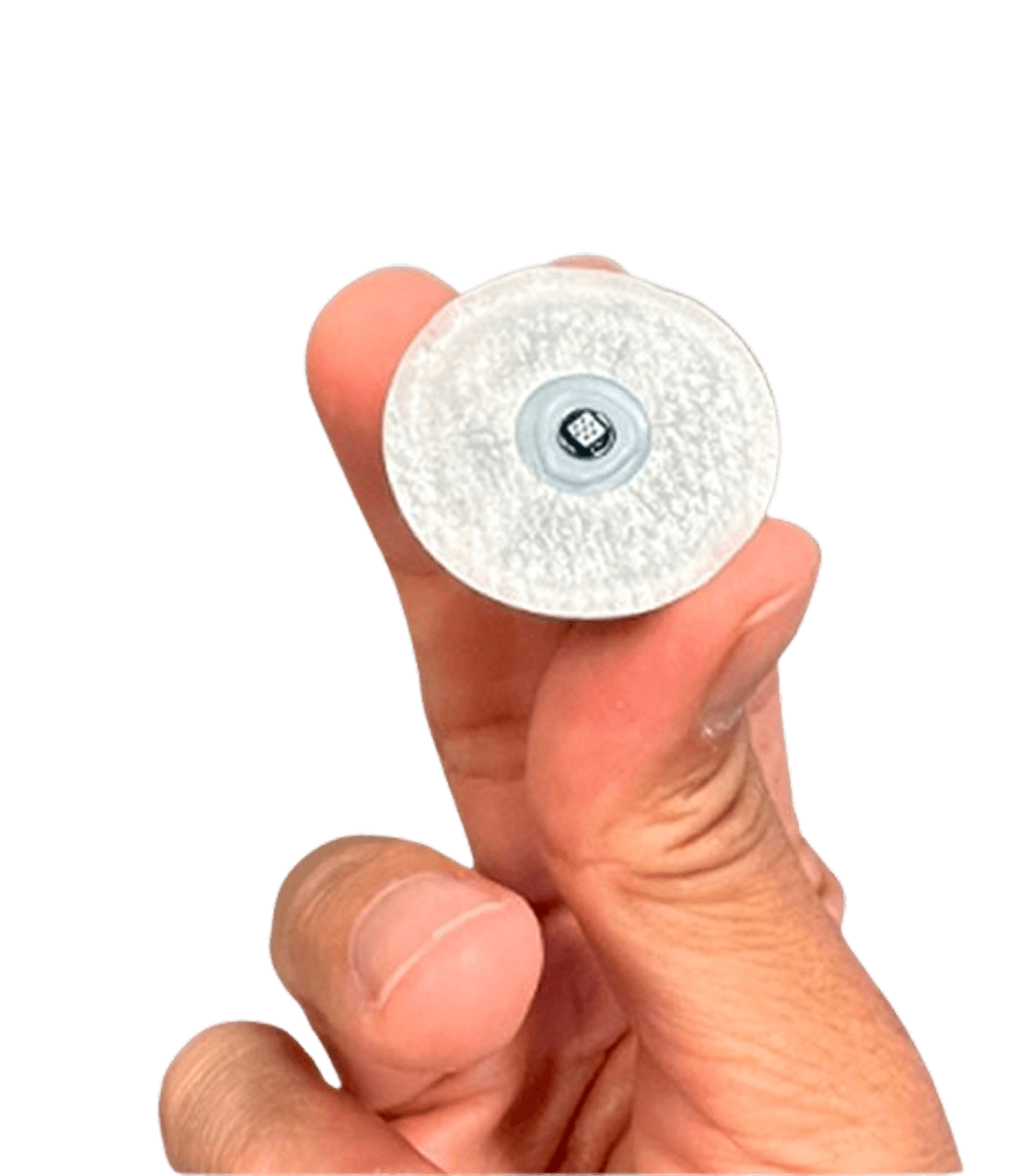
Wearable glucose sensor from Biolinq that uses an array of intradermal microsensors and, per Biolinq, needs no hypodermic needle for insertion. A color LED on the sensor shows glucose ranges without a phone (blue = in target range, yellow = above range, per Biolinq); the same device tracks activity and sleep with an accelerometer and ambient light sensor, and an optional app shows more detailed glucose information. Regulatory: FDA Class II Glucose Range Monitoring System (product code SFU, 21 CFR 862.1359); De Novo DEN240080 granted Sep 23, 2025 and 510(k) K262599 cleared Sep 18, 2026 (FDA device name: Biolinq Shine Autonomous Time-in-Range Microsensor). Biolinq's labeling covers people 22 years or older not on insulin. FDA's definition of this device type says the readings are not quantitative glucose values and are not for acute medical decisions such as insulin dosing or medication adjustment; Biolinq says users should not take medical action based on the device output without consulting a qualified healthcare professional. Availability: not yet available for purchase; as of Oct 5, 2026, biolinq.com shows no price, launch date, pre-order or waitlist. Biolinq has not published a price, wear duration or accuracy (MARD) figure.