Elemind Headband Review (2026): Does "Sleep on Demand" Work? What the Study Shows, Real Costs, and Elemind vs Muse S Athena
· BiohackList Editorial
Disclaimer: This article is for information only and is not medical advice. Elemind and Muse are wellness products, not treatments for insomnia or other sleep disorders. If you have trouble sleeping most nights for months, snore loudly, stop breathing or gasp at night, or feel very sleepy during the day, see a clinician. Don't change any sleep medication without talking to your doctor. BiohackList may earn commissions from qualifying purchases in the future.
Elemind may help some people fall asleep a little faster, but the evidence is one small, company-run trial. In that study, 21 slow sleepers fell asleep about 10.5 minutes faster on average with the headband's sound than on silent sham nights, with wide variation between people. The headband is $399, and detailed sleep data costs $83.99 a year after a 30-day trial. If you try it, use the 30-day return window ($40 in fees; not for HSA or FSA purchases). We haven't tested the headband ourselves. We're working from the research and named hands-on reviews.
Verdict in 30 seconds
- Most promising for: people who take a long time to fall asleep at bedtime (the only use its trial tested) and who can use the return window.
- Evidence: one small, sham-controlled trial run by Elemind staff, about 10 minutes faster on average.
- Skip if: you have severe hearing impairment, you're a side sleeper who dislikes a firm band, or you haven't tried free options such as CBT-I techniques.
- Cost: $399, plus $83.99 a year if you want detailed sleep data.
Elemind in brief
Elemind is an EEG headband that plays sound timed to your brainwaves, designed to help you fall asleep. The company was founded by MIT researchers, according to MIT News.
The headband costs $399 and weighs 60 g. It has 5 EEG electrodes, a 3D accelerometer and a bone-conduction driver, and Elemind's tagline is "Sleep, on-demand". You start a session in the app. The sound fades once the headband detects sleep, and you can restart it if you wake in the night. A session runs 9+ hours, so you charge it daily. Elemind's product page says a full charge takes 3 hours, while its FAQ says 2.5 hours. It's for ages 13 and up.
How it works: closed-loop acoustic stimulation
The headband reads alpha waves, the brain rhythm linked to relaxed wakefulness, and plays short sound pulses timed against them. In the published trial, the pulses were timed to arrive "anti-phase" with alpha, meaning at the point in each wave meant to dampen it. Elemind calls this a "noise cancellation system for the brain", which is its own metaphor. The company's stated theory, per MIT News, is that the sound triggers an auditory response that interferes with wakeful brain activity.
That makes it "closed-loop": the sound responds to your brain in real time. A sleep-sounds app is "open-loop", playing the same audio whatever your brain is doing. Tom's Guide describes the sound as "fuzzy, distant weather or pink noise", and GearJunkie as "a soft rainfall-like sound".
Does Elemind work? What the research shows
The one peer-reviewed trial found a modest average benefit in a small group of slow sleepers. It doesn't show that Elemind works for everyone or over the long term.
The trial. Bressler and colleagues published a randomized crossover trial in Scientific Reports in 2024 (registered as NCT05743114). Participants reported usually taking 30 minutes or more to fall asleep, and a two-night EEG run-in confirmed they took longer than 20 minutes. Each person wore the headband at home for 4 nights with stimulation and 4 sham nights, when it recorded silently. Stimulation ran for 30 minutes, and sleep onset was scored blind from the EEG.
Of 100 people enrolled, 54 finished. After 30 were excluded for EEG data quality and 3 as good sleepers, 21 were analyzed (average age 34, 13 women). The trial screened out people with severe insomnia, diagnosed sleep apnea, hearing impairment or severe anxiety.
The result. Compared with sham, time to fall asleep fell by 10.5 ± 15.9 minutes, or 29.3% ± 44.4% (p = 0.0019). In all, 76.2% of participants did better with stimulation than with sham. The wide spread means some people saw no benefit. Sleep efficiency rose by about 3 percentage points.
Side effects and conflicts. Three participants left the study with mild skin irritation from the bone-conduction driver. All four authors are Elemind employees, and Elemind sponsored the trial. The registry record lists an enrollment of 200, while the paper reports 100 enrolled. We couldn't reconcile the two from public records.
A separate 2024 PLOS Biology study by University of Surrey and Imperial College London researchers found that closed-loop sound can shift alpha rhythms and interfere with sleep onset dynamics depending on timing. That supports the idea, not the product's results.
Marketing vs the paper. Elemind's product page says "76% of people fell asleep faster", which matches the paper. It also says "on average 48% faster, and up to 74% faster", "as fast as the leading sleep drugs" and "better than leading sleep aids". We couldn't find the 48% or 74% figures in the paper, and it didn't compare Elemind with any drug.
Still unknown: results over months, and effects in fast sleepers, people with diagnosed insomnia or adults over 44 (the trial's oldest participant).
What reviewers report
- Tom's Guide (Nicola Appleton, sleep editor): it helped her fall asleep and fall back asleep after waking at 3 a.m. But her husband could hear it even at low volume, and she found the rigid band uncomfortable for side sleeping. She prefers a free technique called cognitive shuffling.
- GearJunkie (Rachelle Schrute, 7.8 out of 10, tested at a $349 price): she fell asleep faster fairly consistently and found it comfortable in any position. She said bedmates won't notice the sound. Downsides were daily charging, results that vary by user, and cleaning: Elemind recommends only wiping it with a damp cloth and mild soap.
Can a partner hear it? Elemind's FAQ says the sound is "only audible to the person wearing the headband". Tom's Guide's reviewer found her husband could hear it, while GearJunkie's reviewer said bedmates wouldn't notice. Your experience may depend on fit and volume.
Side sleeping? Elemind's FAQ says it's comfortable in every position, including on your side. GearJunkie agreed; Tom's Guide didn't.
Real cost: headband, membership, returns
| Item | Elemind (checked Oct 4, 2026) |
|---|---|
| Headband | $399 |
| Membership | Full features free for 30 days, then $83.99 a year or $12.99 a month (Elemind's FAQ: "Annual: $6.99/month ($83.99/year). Monthly: $12.99/month.") |
| Free tier keeps | Starting and restarting sleep sessions, basic stats |
| Membership adds | Hypnogram and sleep stages, restlessness, position, wake events, trends, dream journal, "Drift" (stimulation fades on sleep detection), Deep Sleep Stimulation ("coming soon") |
| 2-year cost | $399 with the free tier; $399 + 2 × $83.99 = $566.98 with annual membership; about $698 paying monthly ($399 + 23 × $12.99) |
| Returns | 30-day money-back from delivery, minus $40 ($15 initial shipping + $15 return shipping + $10 restocking) |
| HSA/FSA | Possible through a Flex telehealth assessment and Letter of Medical Necessity; HSA/FSA purchases are not eligible for the money-back guarantee |
| Warranty | 1 year from shipment |
| Membership refunds | No prorated refunds |
Elemind vs Muse S Athena
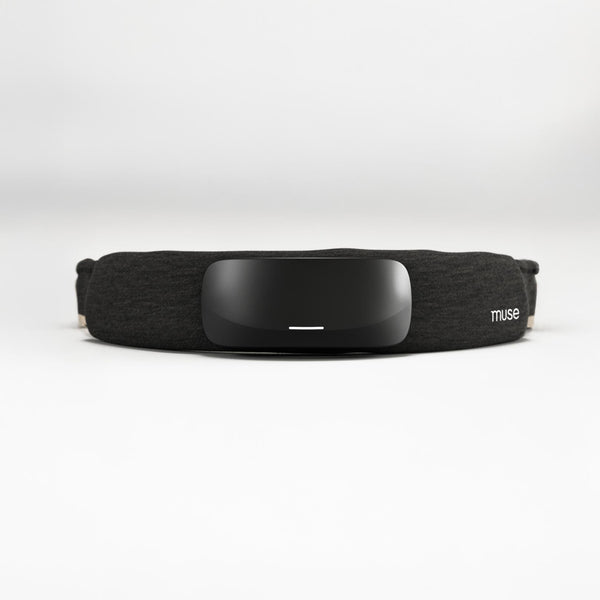
They're different tools. Elemind is a single-purpose device meant to help you fall asleep. Muse S Athena is a meditation and neurofeedback headband with sleep tracking and sleep audio features.
| Elemind | Muse S Athena | |
|---|---|---|
| What it does | Closed-loop sound to speed sleep onset at bedtime (the app also lets you restart a session after night waking, which the trial didn't test) | EEG meditation feedback, focus training and sleep tracking |
| Sensors | 5 EEG electrodes, 3D accelerometer, bone-conduction driver | 7 EEG sensors, PPG heart rate, gyroscope, accelerometer; Muse says it measures brain blood oxygenation |
| Sleep features | Start/restart sleep; tracking; Drift and Deep Sleep Stimulation with membership | Sleep Assist (responsive bedtime stories), Deep Sleep Boost (audio cues timed to slow waves), sleep tracking; Smart Wakeup with Premium |
| Evidence for sleep claims | One sham-controlled RCT, 21 analyzed, by Elemind staff | "55% faster sleep onset" and "42% more slow-wave activity" labeled "Internal data" by Muse |
| Price (official, Oct 4, 2026) | $399 | $474.99 (labeled a sale price) |
| Subscription | Optional; $83.99/yr or $12.99/mo after 30 days | Optional Premium; Muse's own pages conflict: $12.99/mo or $49.99/yr on its Premium page, $109.99/yr on its store listing (Oct 4, 2026) |
| Battery | 9+ hour session; charge daily | Not listed on the product page |
| Returns / warranty | 30 days minus $40; 1 year | 30-day returns, free shipping; 1 year |
| FDA status | General wellness product; Elemind says not a medical device; no FDA record found | No FDA clearance found (no 510(k)) |
| HSA/FSA | Via Flex telehealth assessment | Not stated on the product page |
Pick Elemind if falling asleep is your main problem. Pick Muse S Athena if you want meditation feedback and sleep tracking, with sleep audio as a bonus. Neither treats insomnia.
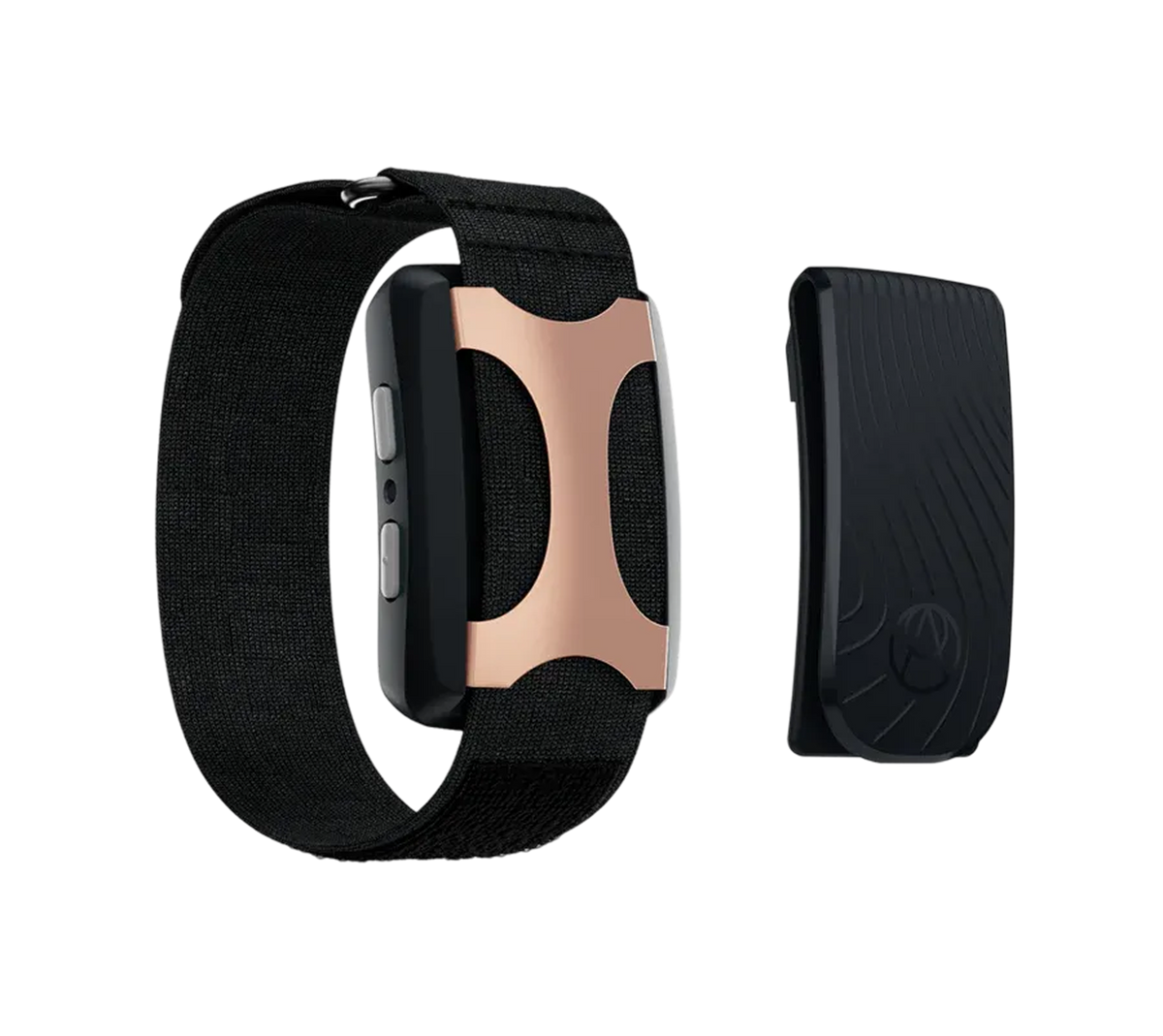
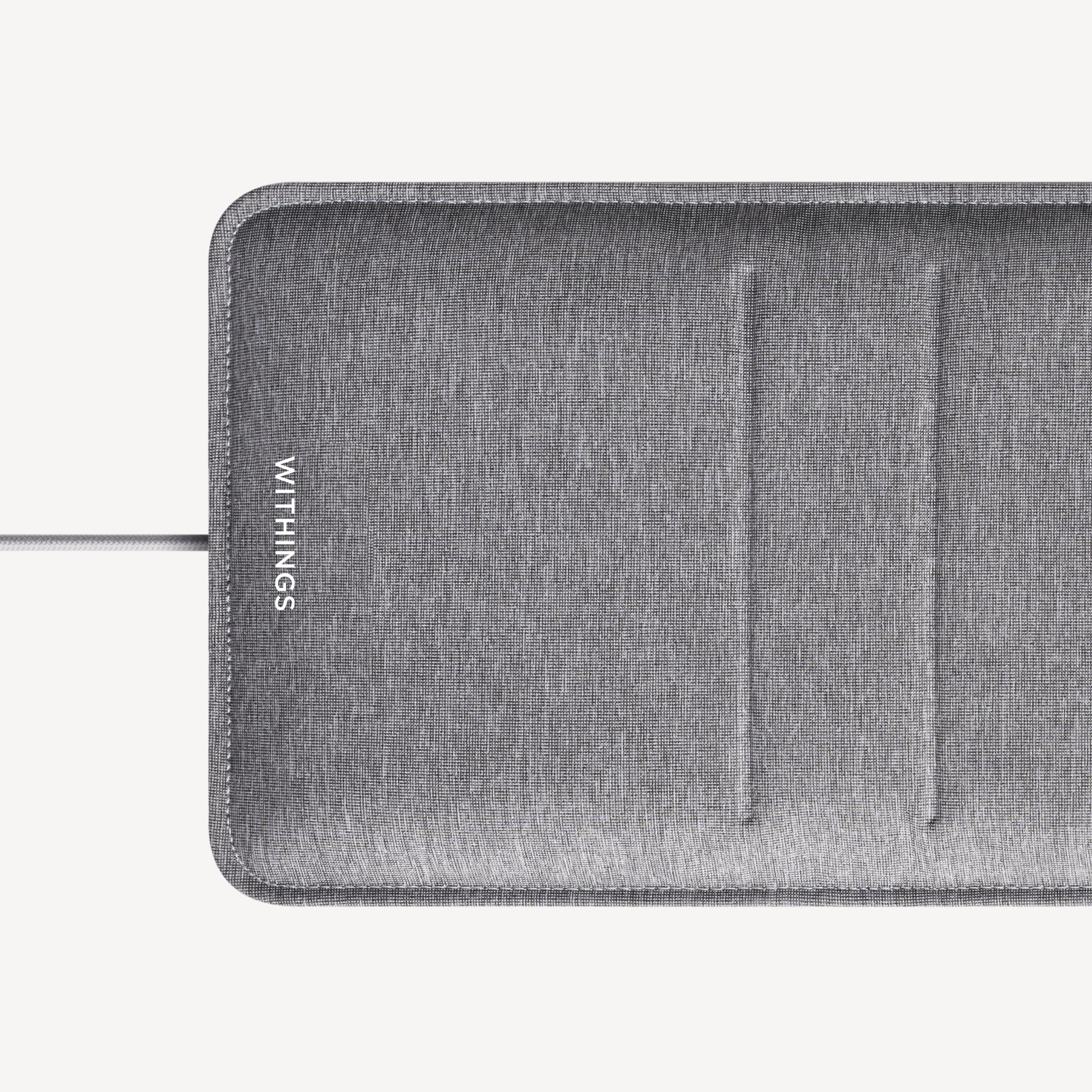
If you'd rather not wear anything on your head, Apollo Neuro is a vibration wearable, and Apollo's help center says its wearables "require a SmartVibes membership for use." Our guide to Apollo Neuro and other nervous-system wearables covers it in detail. If you only want tracking, see Oura Ring 4, WHOOP 5.0 or the under-mattress Withings Sleep.
Is Elemind FDA-approved?
No. Elemind is sold as a general wellness product. Elemind says it is not a medical device, and we found no FDA clearance or registration for it. Its FAQ says Elemind "is not a medical device and is not intended for diagnosing or treating medical conditions."
FDA's General Wellness guidance sets out its policy for low-risk products that promote a healthy lifestyle. Wellness status doesn't mean FDA has checked whether a product works. "FDA-cleared" would mean FDA reviewed a 510(k) submission for a specific use. "Registered" would only mean a company registered a facility and listed a device. Elemind has neither, according to our search of openFDA on Oct 4, 2026. We found no FDA clearance for Muse S Athena either (no 510(k) on file).
Who should try it, who should skip it
It might suit adults who regularly take a long time to fall asleep at bedtime, the situation its trial tested, and who don't mind daily charging.
Skip or wait if:
- You have severe hearing impairment. Elemind says it won't work.
- You're under 13.
- You sleep on your side and dislike a firm band, or share a bed with a light sleeper.
See a doctor first if you have trouble sleeping most nights for months, snore loudly, stop breathing or gasp at night, or feel very sleepy during the day. Elemind's FAQ asks people with pre-existing medical conditions to consult their physician. It also says the headband is "safe to use in combination with other sleep aids" and can be used with CPAP if it doesn't interfere. Those are Elemind's statements. Ask your doctor before combining it with sleep medication or CPAP.
Free things to try first
For chronic insomnia, cognitive behavioral therapy for insomnia (CBT-I) is the first-line treatment. The AASM's 2021 guideline gives it a strong recommendation, and the American College of Physicians' 2016 guideline, still its most recent on insomnia as of Oct 4, 2026, recommends it as the initial treatment for adults. The AASM's Sleep Education site notes it's offered in person, by video and online. Tom's Guide's reviewer also suggests cognitive shuffling: picturing random words or objects to break up racing thoughts.
For the wider routine, see sleepmaxxing, fact-checked.
Other things people try include magnesium. See what magnesium is best for sleep.
FAQ
Does the Elemind really work?
In one small, Elemind-run trial of 21 people who took a long time to fall asleep, its sound cut time to fall asleep by about 10.5 minutes on average vs sham, with wide variation. It isn't proven for other sleep problems.
Who should not use Elemind?
People with severe hearing impairment (Elemind says it won't work) and children under 13. Anyone with suspected sleep apnea, or insomnia most nights for months, should see a clinician first.
Is Elemind FDA-approved?
No. Elemind is sold as a general wellness product, says it is not a medical device, and we found no FDA clearance or registration for it.
Do I need the Elemind subscription?
No. Without it you can still start and restart sleep sessions and see basic stats. Membership ($83.99 a year or $12.99 a month after a 30-day trial) adds sleep stages, trends and features such as Drift.
Can I return Elemind?
Yes, within 30 days of delivery, minus $40 for shipping and restocking. Purchases made with HSA or FSA funds aren't eligible for the money-back guarantee.
Can a partner hear Elemind?
Elemind says only the wearer can hear it. Tom's Guide's reviewer found her husband could hear it at low volume, while GearJunkie's reviewer said bedmates wouldn't notice.
Elemind vs Muse S Athena: which should I buy?
Elemind, if falling asleep is the main problem. It has one published sham-controlled trial. Muse S Athena, if you want meditation feedback and sleep tracking. Its sleep figures are labeled internal data.
What is the best noise-cancelling headband for sleeping?
That's a different product. Audio sleep headbands play music or noise through speakers, while Elemind uses EEG to time sound to your brainwaves. To block noise, an audio headband or earplugs is simpler and cheaper. See sleepmaxxing, fact-checked.
How we researched this
We used Elemind's US product page and FAQ and Muse's US store and Premium pages, checked Oct 4, 2026 (PT). Study figures come from the Scientific Reports paper and the PLOS Biology abstract, and we checked the ClinicalTrials.gov record. We searched FDA's openFDA 510(k), De Novo and registration databases the same day. Hands-on impressions come from Tom's Guide and GearJunkie, credited above. We haven't tested Elemind or Muse, and there are no affiliate links on this page. See our affiliate disclosure and how listings are added.
Last checked: Oct 4, 2026.
Disclaimer: This article is for information only and is not medical advice. Elemind and Muse are wellness products, not treatments for insomnia or other sleep disorders. If you have trouble sleeping most nights for months, snore loudly, stop breathing or gasp at night, or feel very sleepy during the day, see a clinician. Don't change any sleep medication without talking to your doctor. BiohackList may earn commissions from qualifying purchases in the future.
Sources
- Elemind product page ($399; 5 EEG electrodes, 3D accelerometer, bone conduction driver; 60 g; 9+ hr session; marketing claims) (checked 2026-10-04)
- Elemind US FAQ (membership, returns, warranty, ages 13+, hearing, wellness status) (checked 2026-10-04)
- Bressler S, et al. A randomized controlled trial of alpha phase-locked auditory stimulation to treat symptoms of sleep onset insomnia. Sci Rep 2024;14:13039. doi:10.1038/s41598-024-63385-1. PMID 38844793 (Author Correction 2024;14:21867 fixed Figure 5b axis labels only)
- ClinicalTrials.gov NCT05743114 (SLEEPFAST), sponsor Elemind Technologies, Inc.
- Hebron H, et al. A closed-loop auditory stimulation approach selectively modulates alpha oscillations and sleep onset dynamics in humans. PLOS Biol 2024. doi:10.1371/journal.pbio.3002651. PMID 38889194 (abstract only)
- MIT News, Zach Winn, 'Startup helps people fall asleep by aligning audio signals with brainwaves' (Sep 25, 2024)
- Tom's Guide, Nicola Appleton, Elemind hands-on (updated Mar 27, 2026)
- GearJunkie, Rachelle Schrute, Elemind Sleep Headband Review (Nov 10, 2025; 7.8/10; tested at $349)
- Muse S Athena product page ($474.99 sale price; 30-day returns; 1-year warranty; 7 EEG sensors, PPG, gyroscope, accelerometer; sleep figures labeled 'Internal data') (checked 2026-10-04)
- Muse Premium page (Sleep Assist and Deep Sleep Boost free with device; Premium $12.99/mo or $49.99/yr) (checked 2026-10-04)
- Muse Premium App Subscription store listing ($109.99, 1 year; conflicts with the Premium page) (checked 2026-10-04)
- FDA, General Wellness: Policy for Low Risk Devices
- Edinger JD, et al. AASM clinical practice guideline on behavioral and psychological treatments for chronic insomnia. J Clin Sleep Med 2021. PMID 33164742
- Qaseem A, et al. ACP guideline on chronic insomnia. Ann Intern Med 2016 (ACP's most recent insomnia guideline; no newer version found 2026-10-04). PMID 27136449
- AASM Sleep Education, Insomnia