Sleep Stack: Does It Work? What a New Trial Found
On this page
- What is the sleep stack?
- The 2026 trial that tested it
- Ingredient by ingredient: the evidence
- Magnesium L-threonate
- L-theanine
- Apigenin for sleep: the evidence
- Ashwagandha
- Rhodiola
- Ashwagandha vs rhodiola
- Safety and who should skip it
- A sensible way to try it (if you do)
- Single-ingredient products with a BiohackList listing
- FAQ
- What is the popular sleep stack?
- Does the sleep stack work?
- What is the best sleep stack?
- Does apigenin help you sleep?
- Can you take magnesium glycinate and apigenin together?
- Is ashwagandha safe?
- What is the 3:2:1 rule for sleep?
- Sources
Disclaimer: This article is for information only and is not medical advice. Supplements are not approved to treat insomnia or any sleep disorder. If you have ongoing sleep problems, a medical condition, are pregnant or take medication, talk to your doctor before starting supplements. BiohackList does not accept paid or sponsored placements. We may earn commissions from qualifying purchases in the future.
Probably not much, at least for good sleepers. The popular sleep stack is magnesium L-threonate, L-theanine and apigenin, taken before bed. The first randomized trial of that exact combination (2026), funded by Momentous, found the evening stack didn't beat placebo on most measures over two weeks. A morning pair of ashwagandha and rhodiola did better on perceived stress and some sleep scores.
In 30 seconds
- The popular bedtime stack is magnesium L-threonate, L-theanine and apigenin.
- The first trial of the combination (2026, 103 healthy, active adults, 2 weeks, funded by Momentous) found no clear benefit from the evening stack on most outcomes. Morning ashwagandha plus rhodiola improved perceived stress and some sleep scores.
- Evidence for single ingredients is moderate for L-theanine and ashwagandha and thin for apigenin and rhodiola.
- Ashwagandha has rare liver injury reports and is banned in Denmark. Check with a clinician if you take medication.
No listing on this page is paid or sponsored.
What is the sleep stack?
Most people mean three parts, taken 30 to 60 minutes before bed:
| Ingredient | Typical dose | What it is |
|---|---|---|
| Magnesium L-threonate | About 2 g of the compound, roughly 145 mg of magnesium | A magnesium salt sold under the Magtein brand |
| L-theanine | 200 mg | An amino acid found in tea |
| Apigenin | 50 mg | A flavonoid found in chamomile, parsley and celery |
It spread on social media and went untested as a combination until 2026.
Branded "sleep stacks" often differ; some swap in magnesium bisglycinate, melatonin or GABA. Read the label.
The 2026 trial that tested it
Design. Mastrofini and colleagues ran a double-blind, placebo-controlled trial in 103 healthy, physically active adults (53 women, average age about 35), published in the Journal of the International Society of Sports Nutrition. People were randomized to four groups:
| Group | Morning | Evening |
|---|---|---|
| AM | Ashwagandha 600 mg + rhodiola 300 mg | Placebo |
| PM | Placebo | Mg L-threonate 2 g + L-theanine 200 mg + apigenin 50 mg |
| AM+PM | Both active | Both active |
| Placebo | Placebo | Placebo |
It ran one baseline week, two weeks on supplements and one washout week, with questionnaires and a nightly wearable sleep monitor.
What it found:
- Morning adaptogens. The AM group improved more than placebo on weekly perceived stress and on sleep-related impairment (how much poor sleep affected the day). It also had less time awake after falling asleep on the wearable, a finding the authors label exploratory.
- Evening stack. The PM group showed no significant effect on perceived stress, daily stress, mood or questionnaire sleep scores. The wearable results for this group are hard to read: the results section reports an increase in time awake after sleep onset after week two, while the discussion describes a decrease.
- Both together. The AM+PM group did not do better than AM alone. On subjective sleep quality, AM alone beat AM+PM, and AM+PM reported more sleep-related impairment at the end of the washout week.
- Most measures did not move, including daily stress, sleep disturbance scores, total sleep time and sleep efficiency.
Limits. Two weeks is short, and healthy sleepers had little room to improve. The authors call the wearable and sleep quality index results exploratory. Momentous, which makes the products tested, funded it. What it doesn't show: whether the evening stack helps people who actually sleep badly, or works over months.
Ingredient by ingredient: the evidence
Our grades: A consistent results from several good trials; B several trials, mostly positive, some quality concerns; C a few small or mixed trials; D no direct human trial for this use.
| Ingredient | Best evidence for sleep | Grade |
|---|---|---|
| Evening stack (combined) | One 2-week trial, funded by Momentous, no clear benefit | C |
| Magnesium L-threonate | One 21-day trial, funded by the ingredient supplier | C |
| L-theanine | Meta-analysis of 19 trials, small to medium effects on self-reported sleep | B |
| Apigenin | No trial of apigenin alone; chamomile trials small and mixed | D |
| Ashwagandha | Meta-analysis of 5 trials (400 people), small effect | B |
| Rhodiola | Little sleep-specific evidence | D |
Magnesium L-threonate
A 2024 trial by Hausenblas and colleagues gave 80 adults aged 35 to 55 with self-reported sleep problems 1 g a day of magnesium L-threonate or placebo for 21 days. The magnesium group kept stable sleep quality and daytime scores while the placebo group declined, and it had better deep and REM sleep scores on an Oura ring. The study was funded by the company that supplies the ingredient, and two of its authors worked there. For how this form compares with glycinate and others, see what magnesium is best for sleep.
L-theanine
A 2025 meta-analysis in Sleep Medicine Reviews (Bulman and colleagues) pooled 19 trials with 897 people. In pooled results, products containing L-theanine improved self-reported time to fall asleep, daytime dysfunction and overall sleep quality scores, with small to medium effects. They didn't improve sleep duration. Eleven of the 19 trials combined L-theanine with other ingredients, so not every effect belongs to theanine alone. The review was funded by the University of Canberra.
Apigenin for sleep: the evidence
We searched Europe PMC (which mirrors PubMed records) on October 30, 2026, and found no published randomized trial of apigenin on its own for sleep. A 2024 review in Frontiers in Nutrition summarized the evidence: animal studies showing sedative effects, a link between dietary apigenin and sleep quality in an Italian cohort, and trials of chamomile extract, which is about 1% apigenin. In the one chamomile trial in chronic insomnia, a small pilot, 270 mg twice a day for 28 days produced only a non-significant trend toward better daytime functioning. The review's authors were employees of its funder, a health company. A 50 mg apigenin capsule is far more apigenin than chamomile trials delivered, and it has not been tested for sleep.
Ashwagandha
A 2021 meta-analysis in PLOS One (Cheah and colleagues) pooled 5 randomized trials with 400 adults and found a small but significant improvement in overall sleep. Effects were larger in people diagnosed with insomnia, at 600 mg a day or more, and over 8 weeks or longer. The authors reported no funding and no competing interests. NCCIH notes many trials were small and used different preparations.
Rhodiola
NCCIH says there isn't enough reliable evidence to determine whether rhodiola is useful for any health purpose, and that most human research is of low to moderate quality. NCCIH even lists insomnia as a possible side effect.
Ashwagandha vs rhodiola
| Ashwagandha | Rhodiola | |
|---|---|---|
| Main uses studied | Stress, sleep | Fatigue, stress, exercise |
| Sleep evidence | Meta-analysis of 5 trials, small effect | Little sleep-specific evidence |
| Short-term safety (NCCIH) | May be safe up to 3 months | Possibly safe up to 12 weeks |
| Notable cautions | Rare liver injury, pregnancy, thyroid and autoimmune conditions, several drug interactions | Dizziness, headache, insomnia; interaction with losartan reported |
If sleep is the goal, ashwagandha has more direct evidence. The 2026 trial gave them together, so their separate effects are unknown.
Safety and who should skip it
Ashwagandha. NCCIH says it may be safe for up to 3 months, and long-term safety is unknown. Side effects include drowsiness and stomach upset. Rare cases of liver injury have been linked to it. Avoid it during pregnancy and breastfeeding, before surgery, with thyroid or autoimmune conditions, and with hormone-sensitive prostate cancer. It may interact with diabetes, blood pressure, immunosuppressant, sedative, anti-seizure and thyroid medicines. Denmark's food authority has banned it in food and supplements.
Rhodiola. Possibly safe for up to 12 weeks, per NCCIH. Little is known about use in pregnancy or breastfeeding. An interaction with losartan, a blood pressure drug, has been reported.
Magnesium. NIH's Office of Dietary Supplements sets the adult upper limit for magnesium from supplements and medicines at 350 mg a day. The stack's 145 mg counts toward it. High intakes cause diarrhea, nausea and cramps. It can interact with some antibiotics, osteoporosis drugs and diuretics. ODS notes healthy kidneys clear the excess, so ask your doctor first if you have kidney disease.
L-theanine. Trials have generally reported it as well tolerated.
Apigenin. There are no long-term safety trials at supplement doses.
When to see a clinician instead. If you have had trouble sleeping for months, snore loudly or stop breathing at night, or feel very sleepy in the day, talk to a doctor. The American College of Physicians recommends cognitive behavioral therapy for insomnia (CBT-I) as the first treatment for chronic insomnia in adults.
A sensible way to try it (if you do)
- Fix the basics first. Regular wake times and caffeine cut-offs come first. Our sleepmaxxing fact check covers what holds up.
- Change one thing at a time, so you know what helped or caused a side effect.
- Give it 2 to 4 weeks. Keep a simple sleep diary, or use a ring or band for trends. Our WHOOP vs Oura comparison covers what trackers can and can't tell you, and our best sleep tracker guide compares the options.
- Stop if you get side effects.
Single-ingredient products with a BiohackList listing
Prices checked on official pages October 30, 2026.
| Product | Dose per serving (label) | Price |
|---|---|---|
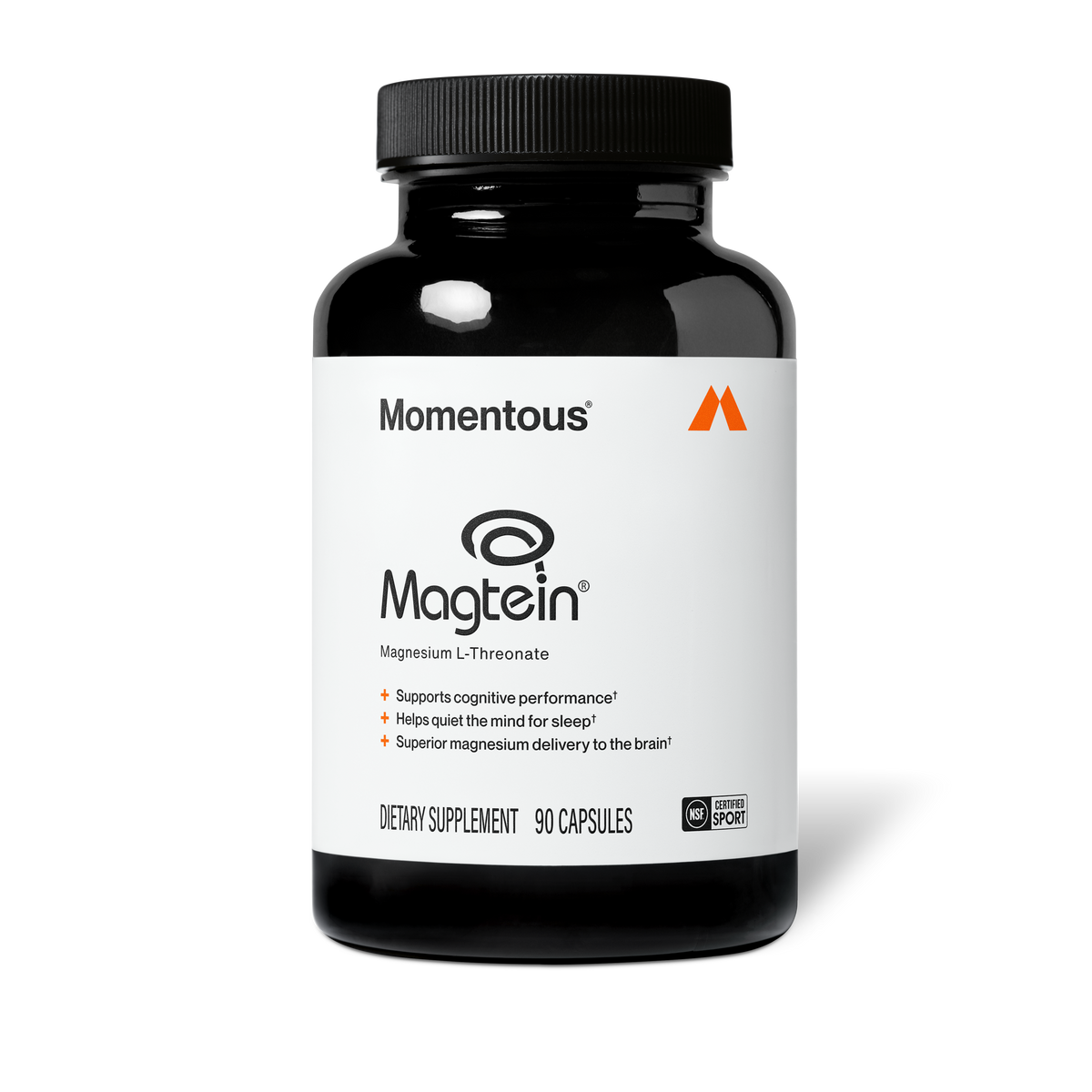
| Momentous Magnesium L-Threonate | 2 g Magtein (145 mg magnesium) per 3-capsule serving; Momentous funded the 2026 trial | $49.99 |
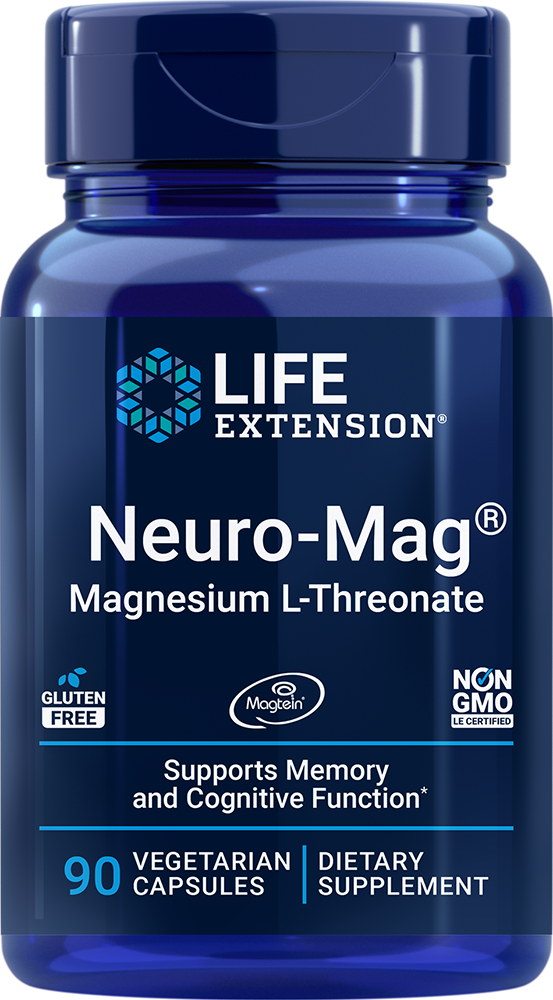
| Life Extension Neuro-Mag Magnesium L-Threonate | 2,000 mg Magtein per 3-capsule serving (about $1.05), 90 capsules | $31.50 |
| Life Extension L-Theanine | 100 mg capsules, 60 count | $18.00 |
| Life Extension Optimized Ashwagandha | 125 mg Sensoril extract, 60 capsules | $7.50 |
| Life Extension Rhodiola Extract | 250 mg, 60 capsules | $13.50 |
The company that funded the 2026 trial also makes the first product above. The Life Extension ashwagandha uses a different extract and a lower dose than the 600 mg tested in the trial.
FAQ
What is the popular sleep stack?
It is a bedtime combination of magnesium L-threonate (about 2 g of the compound, which supplies roughly 145 mg of magnesium), 200 mg of L-theanine and 50 mg of apigenin, usually taken 30 to 60 minutes before bed. It spread online and on social media before anyone had tested the three together.
Does the sleep stack work?
In the only randomized trial of the combination (103 healthy, active adults, 2 weeks), the evening stack did not beat placebo on stress, mood or most sleep measures. Morning ashwagandha plus rhodiola did better on perceived stress and some sleep scores. The trial was short, in good sleepers, and funded by a supplement company.
What is the best sleep stack?
There is no tested best stack. L-theanine has the most sleep trials (19 in a 2025 meta-analysis, many combined with other ingredients), and ashwagandha has 5 with a small effect. Sleep habits and, for chronic insomnia, cognitive behavioral therapy for insomnia (CBT-I) have stronger evidence than any supplement.
Does apigenin help you sleep?
We found no published randomized trial of apigenin on its own for sleep. The human evidence comes from chamomile extract, which contains about 1% apigenin, and a pilot trial in insomnia found only a non-significant trend toward better daytime functioning.
Can you take magnesium glycinate and apigenin together?
No interaction between the two is listed in the NIH sources we checked. Magnesium itself interacts with some antibiotics, osteoporosis drugs and diuretics, so ask a pharmacist if you take medication, and keep supplemental magnesium within the 350 mg adult upper limit unless a clinician advises otherwise.
Is ashwagandha safe?
NCCIH says it may be safe for up to 3 months, with rare reports of liver injury. Avoid it if you are pregnant or breastfeeding, have a thyroid or autoimmune condition, or are about to have surgery, and check with a clinician if you take sedatives, thyroid, diabetes or blood pressure medicines. Denmark bans it in food and supplements.
What is the 3:2:1 rule for sleep?
It is a habit rule of thumb: no food in the 3 hours before bed, no work in the last 2 hours and no screens in the last hour. It has not been tested as a package in studies.
Disclaimer: This article is for information only and is not medical advice. Supplements are not approved to treat insomnia or any sleep disorder. If you have ongoing sleep problems, a medical condition, are pregnant or take medication, talk to your doctor before starting supplements. BiohackList does not accept paid or sponsored placements. We may earn commissions from qualifying purchases in the future.
Affiliate note: There are no affiliate links on this page at launch. No listing is paid or sponsored. See our disclosure.
How we researched this: We read the trials, reviews and official pages listed below. We did not test these supplements. We linked only products with a live BiohackList listing and checked prices on official pages.
Last checked: Oct 30, 2026.
Sources
- Mastrofini GF et al. Modulating stress and sleep through a multi-compound dietary supplement: a randomized, double-blind, placebo-controlled trial. J Int Soc Sports Nutr 2026 (PMID 42829807)
- Hausenblas HA et al. Magnesium-L-threonate improves sleep quality and daytime functioning in adults with self-reported sleep problems. Sleep Med X 2024 (PMID 39252819)
- Bulman A et al. The effects of L-theanine consumption on sleep outcomes: a systematic review and meta-analysis. Sleep Med Rev 2025;81:102076 (PMID 40056718)
- Kramer DJ, Johnson AA. Apigenin: a natural molecule at the intersection of sleep and aging. Front Nutr 2024
- Zick SM et al. Standardized chamomile extract for chronic primary insomnia: a randomized placebo-controlled pilot study. BMC Complement Altern Med 2011
- Cheah KL et al. Effect of ashwagandha (Withania somnifera) extract on sleep: a systematic review and meta-analysis. PLoS One 2021 (PMID 34559859)
- NCCIH. Ashwagandha
- NCCIH. Rhodiola
- Danish Veterinary and Food Administration. Ashwagandha i kosttilskud og drikkevarer
- NIH Office of Dietary Supplements. Magnesium fact sheet for consumers
- Qaseem A et al. Management of chronic insomnia disorder in adults: a clinical practice guideline from the American College of Physicians. Ann Intern Med 2016 (PMID 27136449)
- Momentous product pages: https://www.livemomentous.com/products/magnesium-threonate; https://www.livemomentous.com/products/nightly-sleep
- Life Extension product pages: https://www.lifeextension.com/vitamins-supplements/item01603/neuro-mag-magnesium-l-threonate; https://www.lifeextension.com/vitamins-supplements/item01683/l-theanine; https://www.lifeextension.com/vitamins-supplements/item00888/optimized-ashwagandha-extract; https://www.lifeextension.com/vitamins-supplements/item00889/rhodiola-extract
- Thorne. Sleep Stack
FAQ
What is the popular sleep stack?
It is a bedtime combination of magnesium L-threonate (about 2 g of the compound, which supplies roughly 145 mg of magnesium), 200 mg of L-theanine and 50 mg of apigenin, usually taken 30 to 60 minutes before bed. It spread online and on social media before anyone had tested the three together.
Does the sleep stack work?
In the only randomized trial of the combination (103 healthy, active adults, 2 weeks), the evening stack did not beat placebo on stress, mood or most sleep measures. Morning ashwagandha plus rhodiola did better on perceived stress and some sleep scores. The trial was short, in good sleepers, and funded by a supplement company.
What is the best sleep stack?
There is no tested best stack. L-theanine has the most sleep trials (19 in a 2025 meta-analysis, many combined with other ingredients), and ashwagandha has 5 with a small effect. Sleep habits and, for chronic insomnia, cognitive behavioral therapy for insomnia (CBT-I) have stronger evidence than any supplement.
Does apigenin help you sleep?
We found no published randomized trial of apigenin on its own for sleep. The human evidence comes from chamomile extract, which contains about 1% apigenin, and a pilot trial in insomnia found only a non-significant trend toward better daytime functioning.
Can you take magnesium glycinate and apigenin together?
No interaction between the two is listed in the NIH sources we checked. Magnesium itself interacts with some antibiotics, osteoporosis drugs and diuretics, so ask a pharmacist if you take medication, and keep supplemental magnesium within the 350 mg adult upper limit unless a clinician advises otherwise.
Is ashwagandha safe?
NCCIH says it may be safe for up to 3 months, with rare reports of liver injury. Avoid it if you are pregnant or breastfeeding, have a thyroid or autoimmune condition, or are about to have surgery, and check with a clinician if you take sedatives, thyroid, diabetes or blood pressure medicines. Denmark bans it in food and supplements.
What is the 3:2:1 rule for sleep?
It is a habit rule of thumb: no food in the 3 hours before bed, no work in the last 2 hours and no screens in the last hour. It has not been tested as a package in studies.
Products in this article
Supplements
Momentous Magnesium L-Threonate
Momentous
Magnesium L-threonate (Magtein) capsule dietary supplement from Momentous.
Supplements
Life Extension Neuro-Mag Magnesium L-Threonate
Life Extension
Vegetarian capsule with 144 mg Magnesium (from 2000 mg Magtein magnesium L-threonate) per serving (3 vegetarian capsules); 90 vegetarian capsules. Price: $31.50 for 90 vegetarian capsules ($28.50 with AutoShip), checked Oct 4, 2026; also sold as 93.35 grams (Tropical Punch) at $31.50; no third-party certification is stated. Dietary supplements are not FDA-approved: FDA does not approve dietary supplements or their labeling before sale.

Supplements
Life Extension L-Theanine
Life Extension
Vegetarian capsule with 200 mg AlphaWave L-Theanine per serving (2 vegetarian capsule); 60 vegetarian capsules. Price: $18.00 for 60 vegetarian capsules, checked Oct 4, 2026; no third-party certification is stated. Dietary supplements are not FDA-approved: FDA does not approve dietary supplements or their labeling before sale.

Supplements
Life Extension Optimized Ashwagandha
Life Extension
Vegetarian capsule with 125 mg Sensoril Ashwagandha extract (root and leaf) per serving (1 vegetarian capsule); 60 vegetarian capsules. Price: $7.50 for 60 vegetarian capsules ($6.75 with AutoShip), checked Oct 4, 2026; no third-party certification is stated. Dietary supplements are not FDA-approved: FDA does not approve dietary supplements or their labeling before sale.

Supplements
Life Extension Rhodiola Extract
Life Extension
Vegetarian capsule with 250 mg Rhodiola extract (root) per serving (1 vegetarian capsule); 60 vegetarian capsules. Price: $13.50 for 60 vegetarian capsules ($12.00 with AutoShip), checked Oct 4, 2026; no third-party certification is stated. Dietary supplements are not FDA-approved: FDA does not approve dietary supplements or their labeling before sale.